

 English
 中文简体
中文简体Aluminum Windows: The Ultimate Guide to Alloy and Hurricane-Resistant Options
Introduction Aluminum windows have become one of the most popular choices in modern construction, offering a balance of strength, style, and practical...
Read MoreContent
Thermal break casement windows are modern window systems designed to reduce heat transfer between the interior and exterior of a building. By incorporating a thermal barrier between the inner and outer frame sections, these windows improve energy efficiency and enhance indoor comfort. Casement windows, which are hinged at the side and open outward or inward, allow for excellent ventilation while maintaining a tight seal when closed.
The combination of thermal break technology with casement window design creates a high-performance window solution that minimizes heat loss, reduces condensation, and helps achieve sustainable building standards.
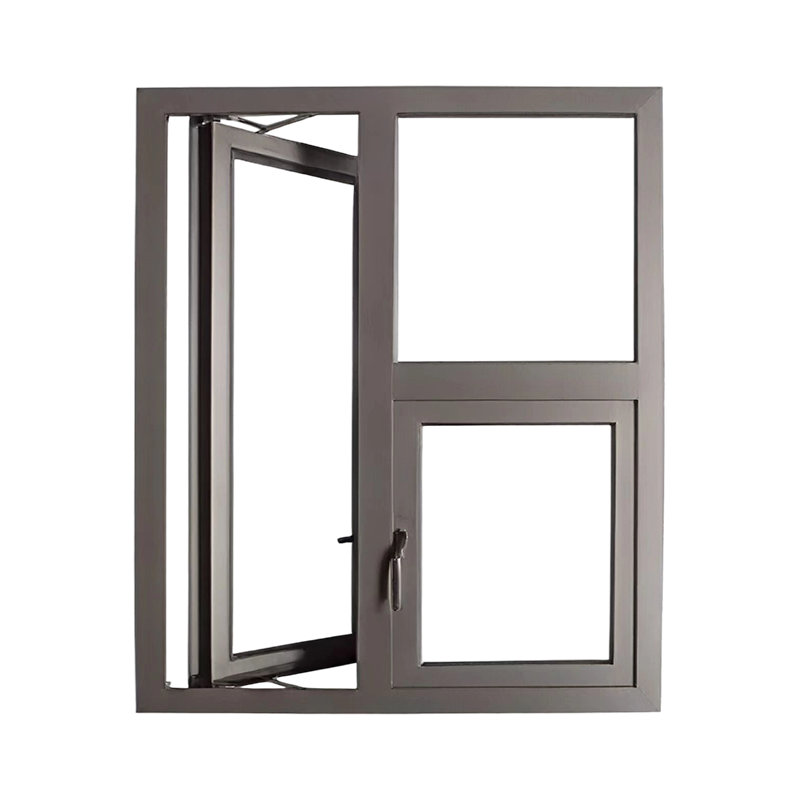
A thermal break is a non-metallic section placed between the interior and exterior metal frames of a window. This section is typically made of polyamide, polyurethane, or other high-performance insulating materials. By disrupting the conductive path of heat and cold through the metal frame, the thermal break significantly reduces energy loss.
This technology is especially important for aluminum windows, which are naturally good heat conductors. The thermal break ensures that interior surfaces remain comfortable to touch and that energy efficiency is maximized.
Thermal break casement windows are designed with multiple features that enhance performance, safety, and aesthetics. Understanding these features helps architects, builders, and homeowners make informed choices.
Thermal break casement windows are available in a variety of frame materials. Aluminum is the most common due to its strength and durability, while uPVC and composite frames provide additional insulation benefits. The frame construction integrates a thermal break material, reinforced corner joints, and multi-chamber profiles to ensure stability and performance.
The combination of robust framing and thermal insulation contributes to long-term reliability, low maintenance, and consistent performance in diverse climates.
Thermal break casement windows are evaluated based on key performance metrics such as U-value, air permeability, and water tightness. Lower U-values indicate superior insulation, helping reduce heating and cooling costs. Tight seals prevent drafts and water ingress, while insulated glass units further enhance thermal and acoustic performance.
| Performance Metric | Typical Range | Benefit |
| U-value (W/m²K) | 0.8 – 1.6 | Reduces heat loss and energy consumption |
| Air Permeability (Class) | Class 4 | Minimizes drafts and improves comfort |
| Water Tightness (Pa) | 600 – 1200 | Prevents leakage during heavy rain |
Correct installation of thermal break casement windows is critical to achieving intended energy efficiency and performance. Proper alignment, sealing, and anchoring prevent air leakage and maintain the integrity of the thermal break.
Additional considerations include frame reinforcement for larger openings, proper sill slopes to prevent water accumulation, and integration with building insulation systems.
Thermal break casement windows are widely used in residential, commercial, and public buildings where energy efficiency, thermal comfort, and noise reduction are priorities. They are particularly effective in regions with extreme temperatures or high humidity.
Thermal break casement windows combine modern design, energy efficiency, and functional performance to create a sustainable and comfortable building envelope. By carefully selecting materials, frame profiles, and installation methods, architects and builders can ensure long-term value, reduced energy consumption, and enhanced indoor comfort for occupants.


