

 English
 中文简体
中文简体Aluminum Windows: The Ultimate Guide to Alloy and Hurricane-Resistant Options
Introduction Aluminum windows have become one of the most popular choices in modern construction, offering a balance of strength, style, and practical...
Read MoreContent
High-rise buildings impose strict requirements on window systems due to wind pressure, self-weight, and long-term structural movement. Aluminum alloy windows are widely used because aluminum profiles provide high strength-to-weight ratios, allowing large window units to remain structurally stable without excessive frame bulk. This balance supports both safety and architectural openness at elevated heights.
In tall buildings, window frames must resist deformation under sustained wind loads. Aluminum alloy profiles can be engineered with reinforced chambers and thicker wall sections, allowing the window system to maintain alignment, sealing performance, and glass support across multiple floors.
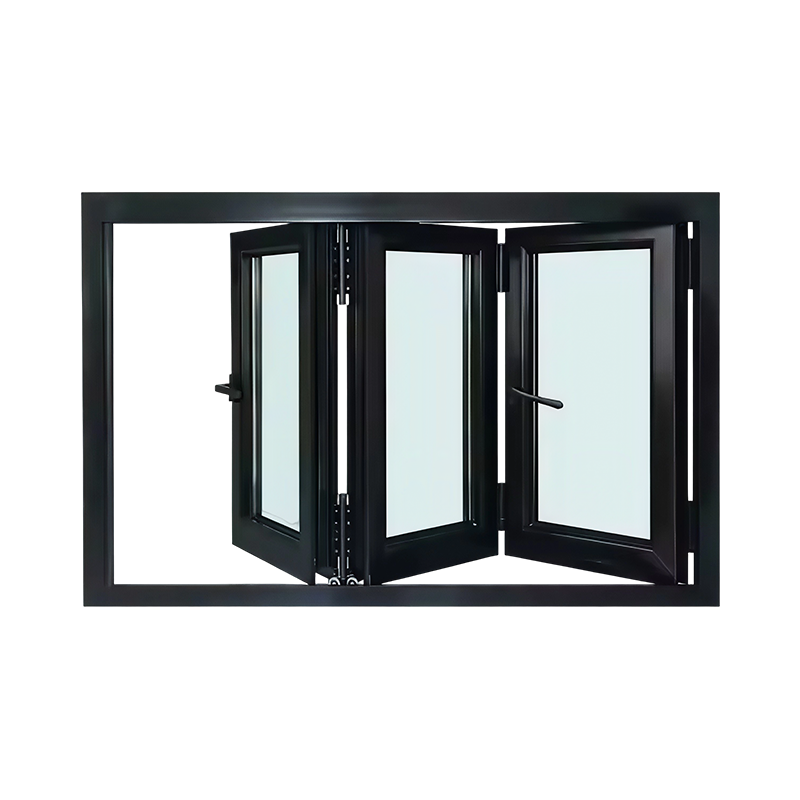
Wind pressure increases significantly with building height. Aluminum alloy window systems are designed to address this condition through multi-cavity profiles, optimized cross-sectional geometry, and reinforced connection points. These design features help distribute wind loads evenly across the frame and anchoring structure.
Compared with steel or solid timber frames, aluminum alloy windows reduce overall façade weight. This advantage becomes more significant in high-rise construction, where cumulative loads affect structural design and foundation requirements. Lighter window systems simplify lifting, installation, and alignment during façade assembly.
The reduced weight also supports prefabricated curtain wall integration, allowing window units to be installed as part of modular façade systems. This approach improves construction efficiency and shortens project timelines.
High-rise buildings expose window systems to prolonged UV radiation, rain, airborne pollutants, and temperature variation. Aluminum alloy windows are commonly treated with anodizing or powder coating processes, forming protective surface layers that resist corrosion and surface degradation.
These surface treatments help maintain appearance and structural integrity over extended service periods, reducing maintenance requirements for building owners and facility managers.
Modern aluminum alloy window systems often incorporate thermal break structures that reduce heat transfer between interior and exterior environments. In high-rise buildings, this contributes to more stable indoor temperatures across different floor levels.
Acoustic control is also critical, especially in urban high-rise developments. Aluminum alloy frames support multi-layer glazing configurations, helping reduce external noise transmission from traffic, wind, and surrounding infrastructure.
Architectural design in high-rise buildings often emphasizes large glazed areas and consistent façade appearance. Aluminum alloy windows support slim frame profiles while maintaining structural performance, allowing greater glass visibility without compromising safety.
The material also supports various opening styles, including fixed, sliding, and casement systems, making it easier to maintain uniform façade lines across multiple floors.
| Frame Material | Structural Strength | Weight | Suitability for High-Rise |
| Aluminum Alloy | High | Light | High |
| Steel | Very High | Heavy | Limited |
| Timber | Moderate | Moderate | Low |
High-rise projects must comply with strict building codes related to wind load, fire performance, and façade safety. Aluminum alloy window systems can be engineered to meet these requirements through profile design, hardware selection, and tested installation methods.
This adaptability allows aluminum alloy windows to be specified across residential towers, office buildings, and mixed-use developments where performance consistency and regulatory compliance are essential.


