

 English
 中文简体
中文简体Aluminum Windows: The Ultimate Guide to Alloy and Hurricane-Resistant Options
Introduction Aluminum windows have become one of the most popular choices in modern construction, offering a balance of strength, style, and practical...
Read MoreRailing selection is one of those decisions that looks simple on the surface and turns complicated the moment you factor in environment, building use, and the decades of exposure a railing will endure. The material choice made at specification stage determines not just how the railing looks on day one, but whether it still performs structurally and aesthetically after ten years of rain, UV, foot traffic, and cleaning cycles. Zinc steel, stainless steel, and wrought iron each answer that challenge differently — and each suits a different combination of project type, aesthetic goal, and budget.
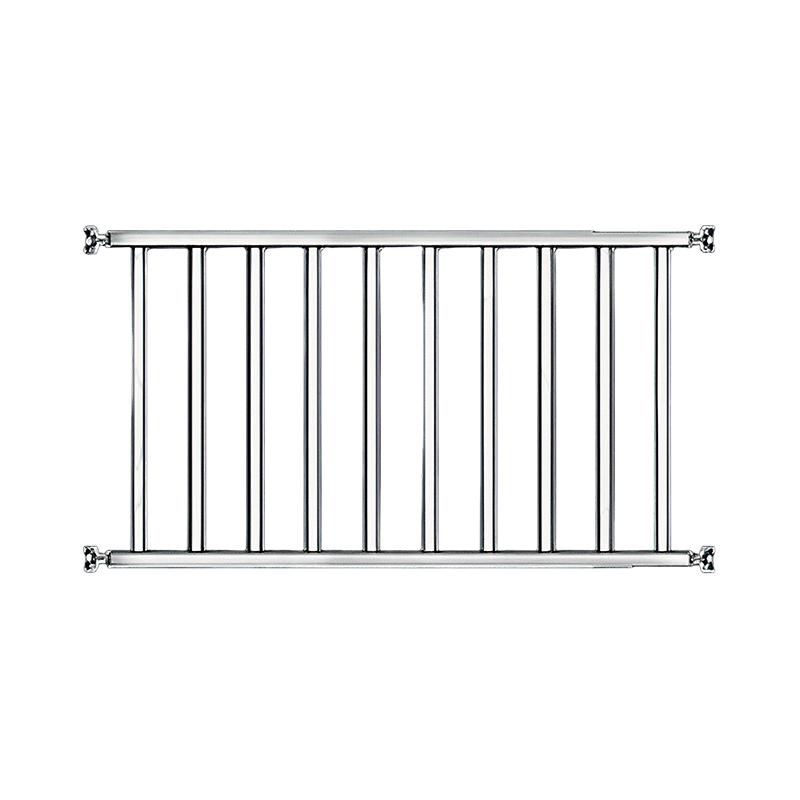
Content
The differences between zinc steel, stainless steel, and wrought iron go deeper than appearance. Each material has a distinct performance profile shaped by its composition, surface treatment, and structural properties. Understanding those differences upfront prevents the most common specification mistake: choosing a material based on how it looks in a product photo rather than how it performs in a specific environment.
| Material | Corrosion Resistance | Structural Strength | Maintenance | Aesthetic Style | Best For |
|---|---|---|---|---|---|
| Zinc Steel | High — galvanic protection | Strong | Low | Clean, versatile | Outdoor residential, wet environments |
| Stainless Steel | Very High — passive oxide layer | Very Strong | Very Low | Modern, minimal | Commercial, coastal, high-traffic |
| Wrought Iron | Moderate — coating-dependent | Excellent | Moderate | Classic, ornate | Decorative residential, heritage projects |
The full zinc steel, stainless steel, and wrought iron metal railing systems range is designed to cover this complete spectrum — from corrosion-resistant utility installations to architectural statement pieces — within a single product family that meets consistent quality and safety benchmarks.
Zinc steel railings use a galvanized or zinc-alloy coating bonded to a steel substrate. The protection mechanism is electrochemical: zinc acts as a sacrificial anode, meaning it corrodes preferentially to the underlying steel. Even if the surface coating is scratched or damaged, the zinc layer continues protecting the steel around the breach rather than allowing rust to spread from the damage point outward. This self-protecting behavior is what makes zinc steel particularly reliable in outdoor installations where surface damage from impact or abrasion is inevitable over time.
From an environmental standpoint, zinc steel has a meaningful advantage. Zinc is a naturally occurring element and zinc-coated steel is one of the most recycled construction materials in use — the global steel recycling rate consistently exceeds 85%, and galvanized steel retains full recyclability through its service life. For projects with sustainability requirements or green building certification targets, this material profile supports those goals without sacrificing structural performance.
Zinc steel railings are particularly well-suited to residential outdoor applications: balcony guards, stair railings, garden perimeter fencing, and pool surrounds where moisture exposure is continuous and low-maintenance operation is a priority. The surface finish can be powder-coated in a wide range of colors, allowing zinc steel railings to integrate visually with architectural styles from contemporary to traditional without requiring the premium associated with stainless steel.
Stainless steel's corrosion resistance comes from its chromium content — typically 10.5% or higher — which reacts with oxygen in the atmosphere to form a thin, stable chromium oxide layer on the surface. This passive layer is self-repairing: if the surface is scratched, the oxide layer reforms on exposure to air. The result is a material that maintains its appearance and structural integrity with minimal intervention across decades of use, even in aggressive environments.
The visual profile of stainless steel railings is distinctively modern. Brushed and satin finishes produce a clean, directional texture that reads as architectural precision. Polished finishes create a mirror-quality surface that reflects the surrounding environment. Both finish types complement glass infill panels, open cable configurations, and the restrained geometry of contemporary commercial and residential architecture. Stainless steel's combination of visual refinement and verified structural performance makes it the default specification for architects and developers working on high-visibility commercial projects.
In commercial settings — retail developments, office lobbies, hospitality venues, transportation infrastructure — stainless steel railings deliver a consistent appearance across high-traffic use without the finish degradation that affects softer metals. Cleaning is straightforward: periodic washing with mild detergent and fresh water removes surface contamination without specialist products or abrasive treatments. For coastal or poolside installations, marine-grade formulations provide enhanced chloride resistance that maintains appearance in the environments most likely to cause problems for lesser materials.
Wrought iron occupies a distinct aesthetic category that no other railing material fully replicates. The material's workability — its ability to be forged, twisted, scrolled, and shaped by hand or machine into complex decorative forms — has made it the definitive choice for ornate architectural metalwork across centuries of building history. Contemporary wrought iron railings draw on this tradition while applying modern fabrication precision and protective coating technology that extends service life well beyond what earlier installations achieved.
Structurally, wrought iron is exceptionally strong in tension and compression, with a fibrous grain structure that makes it more resistant to sudden fracture than cast iron alternatives. This combination of decorative capability and structural integrity makes wrought iron railings appropriate for applications where the railing is both a safety barrier and a prominent architectural feature — grand entrance staircases, heritage property restorations, hotel lobbies, and residential properties where classic design language is a deliberate choice rather than a compromise.
The maintenance consideration with wrought iron is coating management. The material's corrosion resistance depends on the integrity of its surface treatment — powder coating, primer, or paint. A well-applied powder coating on wrought iron provides durable protection and typically requires attention every five to seven years in exposed outdoor conditions, or longer in sheltered applications. The maintenance interval is predictable and the refinishing process restores both appearance and protection, making wrought iron a genuinely long-lived option for projects willing to include periodic upkeep in their maintenance program.
The distinction between residential and commercial railing selection goes beyond scale. The two contexts carry different load requirements, aesthetic expectations, maintenance realities, and compliance obligations that should directly influence material choice.
In residential applications, the primary considerations are visual integration with the property's architectural style, long-term performance in the local climate, and maintenance demand over the ownership period. A zinc steel balcony railing on a coastal property offers dependable corrosion resistance without the cost premium of stainless, while powder coating in a color matched to window frames or facade finishes creates visual continuity. Wrought iron suits heritage homes, period terraces, and properties where the railing is intended as a design feature rather than a neutral background element. Stainless steel works well in residential settings with a contemporary aesthetic, particularly where the clean horizontal lines of the railing system are intended to complement large glazed facades or minimalist landscaping.
Commercial applications weight the balance differently. High foot traffic, cleaning frequency with commercial-grade chemicals, exposure to concentrated loads from crowds, and the visibility of the installation in a brand or public context all push toward materials with the highest durability and lowest maintenance signatures. Stainless steel is the natural choice for most commercial specifications on these grounds — its resistance to chemical cleaning agents, structural rigidity, and the availability of marine-grade formulations for demanding environments make it the lowest-risk material for property managers and facilities teams. For commercial properties where architectural character is important — hospitality venues, heritage conversions, period commercial buildings — wrought iron provides the decorative resolution that stainless steel cannot match, provided the maintenance program is resourced appropriately.
Projects combining railing systems with full building envelope specifications can integrate metal railings with aluminum alloy doors and windows for complete architectural solutions that maintain material and finish consistency across the facade. For commercial developments requiring fully integrated facade systems, curtain wall systems for commercial facade applications extend this coordination to the full building envelope.
Metal railing systems are structural safety components, and their specification should be treated accordingly. The fundamental requirements — load capacity, height, baluster spacing, post anchorage — are set by building codes and vary between jurisdictions, but the underlying engineering principles are consistent: the railing must resist the forces a person or crowd exerts against it without deflecting to a degree that causes loss of balance, and without any component failing under realistic use conditions.
Load requirements for commercial guardrails are substantially higher than residential standards, reflecting the crowd-loading scenarios that occur in public spaces. This is one reason why material selection for commercial applications should not be driven purely by aesthetic preference or initial cost: a system that meets residential load standards but is installed in a commercial setting represents a genuine safety and liability risk regardless of how good it looks.
Quality metal railing systems across all three material types — zinc steel, stainless steel, and wrought iron — should be designed and fabricated to meet the applicable structural standards for their intended use category. High-quality fabrication, consistent wall thicknesses, proper weld penetration, and correctly specified post anchoring hardware are the factors that determine whether a railing system performs to its rated load capacity throughout its service life. These are the parameters to verify at specification stage, not after installation.
The lasting value proposition of a well-specified metal railing system is straightforward: a system correctly matched to its environment and use category, built to the appropriate quality standard, requires minimal intervention, maintains its appearance, and continues to meet its structural function for the full design life of the building. That outcome is achievable across all three material types when the selection is made on the right criteria.


