

 English
 中文简体
中文简体Aluminum Windows: The Ultimate Guide to Alloy and Hurricane-Resistant Options
Introduction Aluminum windows have become one of the most popular choices in modern construction, offering a balance of strength, style, and practical...
Read MoreIf you live on a busy street or run an office near a highway, you already know the problem: traffic noise, engine hum, and nighttime horns creep through even well-constructed walls. The most common weak point is the window. Acoustic windows, also called noise-reducing or soundproof windows, are a targeted fix, but they are not a magical single product. Their performance depends on a combination of glass thickness, glass spacing, frame material, sealing quality, and installation workmanship.
Content
The best way to reduce outdoor noise through a window is to select a complete system that uses lamination or asymmetric glazing, a thermally broken frame with good edge seals, and a rigid installation. Well-designed acoustic windows can lower perceived noise by 25 to 30 decibels or more under real conditions. However, the same window that works for a neighborhood with high-frequency sounds may fail against low-frequency truck rumble. So your decision should start with the noise spectrum, not the marketing label.
Key takeaway: An acoustic window is a system. Glass, frame, and installation must work together. Ask for certified insulation values and check how the window performs at low frequencies before you buy.
Sound travels through a window in three paths: through the glass, through the frame and edge seals, and through the gap between the window and the wall opening. To reduce noise, each path must be addressed. Here are the three layered principles behind effective acoustic windows.
Two panes of different thickness (for example, 4 mm and 6 mm) break the coincidence effect, where each glass pane has a narrow frequency at which it vibrates strongly. Laminated glass with a polyvinyl butyral (PVB) interlayer also damps vibrations, especially for mid- and high-frequency noise.
An air gap of 12 mm or more reduces resonances. High-quality acoustic windows use a triple seal with EPDM or silicone gaskets that remain flexible for years. A poorly sealed frame can ruin even the best glass.
Extra mass in the glass and a stable frame reduce the window's own vibration transfer. Thermally broken aluminum profiles and U-PVC systems with steel reinforcement provide both energy efficiency and structural rigidity.
These three principles are why a simple double-pane window with the same thickness panes is a poor acoustic choice. To get real performance, you need an engineered product that combines lamination, variable glass thickness, and a sealed frame.
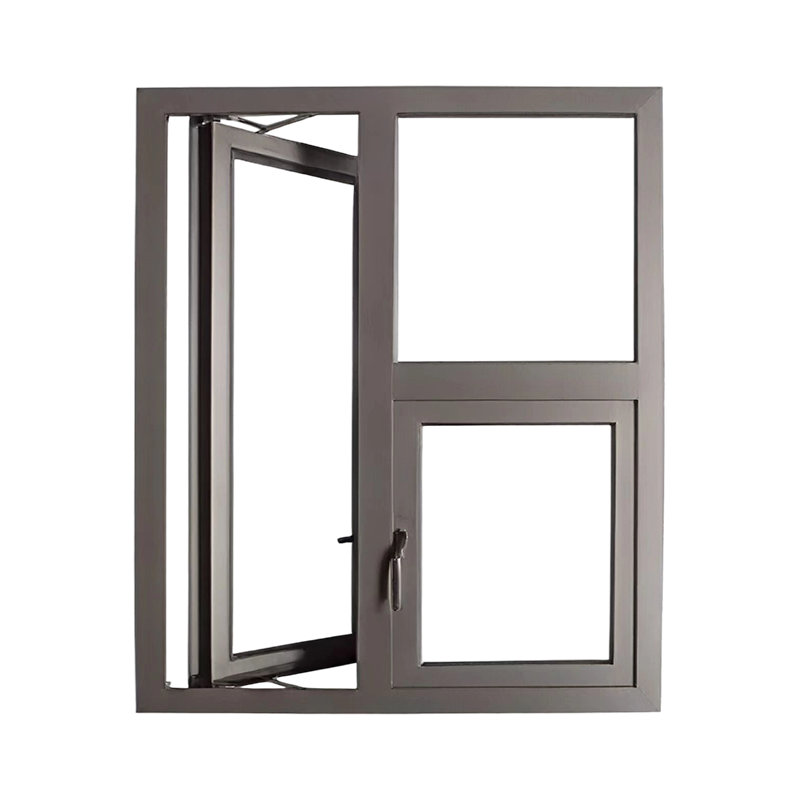 Sealed and Silent Aluminum Alloy Casement Windows with Acoustic PerformanceThese engineered casement windows combine variable glass thickness and a sealed frame to reduce noise up to 40dB. They suit projects needing both quiet interiors and aesthetic flexibility, with options for custom sizes and finishes.View Product →
While any building can benefit from quieter interiors, some sectors need acoustic windows more than others. Based on common project patterns, the demand for sound-reducing windows in the construction market is distributed roughly as follows.
Residential projects account for the largest share because homeowners increasingly value sleep quality and indoor comfort. In commercial buildings, acoustic windows are used for conference rooms and executive offices to protect privacy. Hospitals use them to keep patient rooms quiet, while schools and universities install them to improve learning environments. Industrial applications are smaller but important where machinery noise is a concern.
The performance of an acoustic window is best understood through the weighted sound reduction index (Rw), measured in decibels. Higher Rw values mean better insulation. The table below shows typical ranges for common glazing configurations.
Notice that the jump from an equal-thickness double pane to a laminated asymmetric pane is significant. In high-noise environments, the additional cost is justified because the alternative is an expensive retrofit with a professional acoustician.
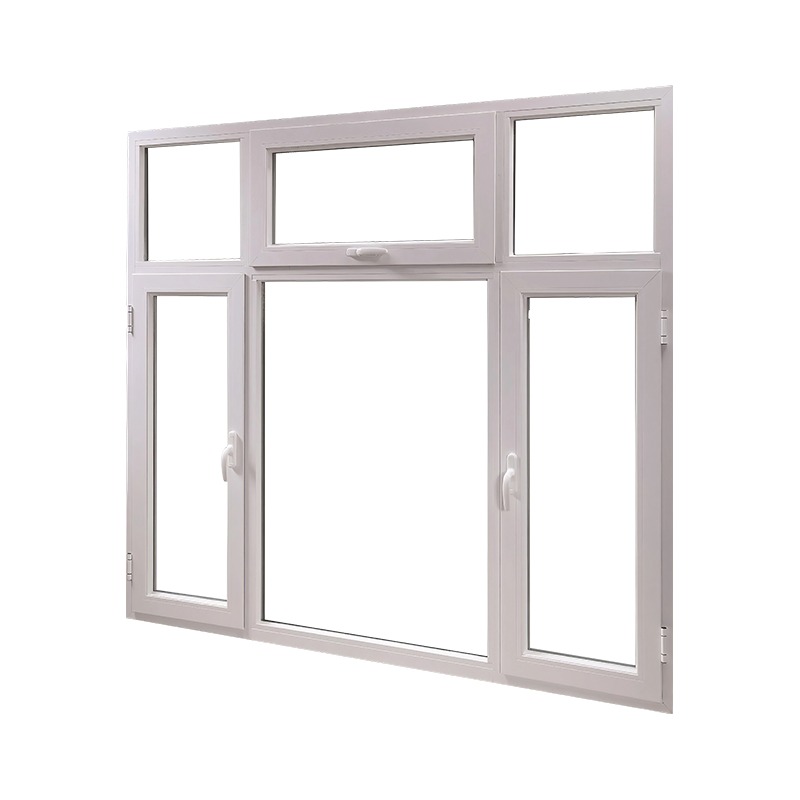 High Sound Insulation UPVC Casement Doors for Quiet EntrancesWith up to 42dB noise insulation and a multi-chamber uPVC profile, these doors complement acoustic windows. They offer durability and thermal efficiency, making them a practical choice for noise-sensitive spaces.View Product →
Many buyers only look at a single dB rating, but noise is not uniform. Low-frequency rumble from trucks and HVAC systems is far more difficult to block than high-frequency voices or birds. The chart below shows the acoustic attenuation of a typical high-performance triple-glazed acoustic window at different frequencies.
If your primary annoyance is low-frequency noise, you should ask for a product with a heavier laminated glass combination and a deeper air gap. A standard double-pane window may look fine on paper yet sound almost unchanged when a diesel truck passes by.
Choosing the right acoustic window is not complicated if you approach it systematically. The following steps can help you avoid common mistakes and maximize your return on investment.
Use a sound level meter to record peak and average levels during a full day. Note the most annoying times—usually early morning and late evening traffic.
If your background noise is 60 dB, you may only need a 10–15 dB reduction to make the room feel comfortable. Do not chase the highest possible figure.
Select asymmetric laminated glazing for low-frequency noise, or a triple-pane with a wide gap if you also want energy savings.
Thermally broken aluminum or UPVC with steel reinforcement provides rigidity and prevents air leakage. Check that the frame profile has at least three sealing layers.
Even a perfect window will fail if the installation gap is not filled with acoustic insulation. Ensure the installer expands the frame, seals the perimeter, and stops air paths through the reveal.
The return on investment is not just about comfort. In a home, better sleep translates into health benefits. In a business, a quiet meeting room can mean the difference between closing a deal and losing one. Acoustic windows also add property value because buyers actively ask about noise reduction. For an entrance door that matches your acoustic window performance, consider a windproof and soundproof steel door.
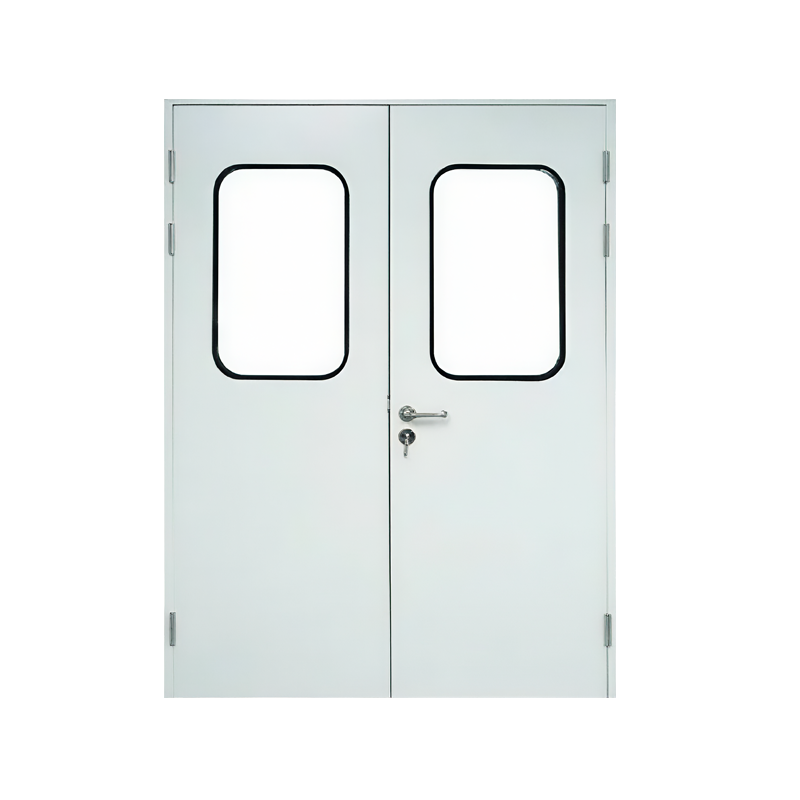 Windproof and Soundproof Steel Door for Enhanced Entry SecurityThis steel door provides 28-32dB sound reduction and meets high security standards. It pairs with acoustic windows to maintain a quiet environment, offering optional fire ratings and hurricane resistance.View Product →
Acoustic windows are not zero-maintenance. To keep their performance for 15 to 20 years, follow these simple rules.
From a compliance perspective, acoustic windows should be tested according to recognized standards. In many countries, building codes specify minimum indoor sound levels (for example, Chinese GB 50118 or European EN 12354). Ask your supplier for laboratory acoustic reports that match the installed product, not a generic claim. This is especially important for new construction, where the acoustic design must be coordinated with wall, floor, and ceiling systems.
To see how these principles are applied in real projects, browse our case gallery.


