

 English
 中文简体
中文简体Aluminum Windows: The Ultimate Guide to Alloy and Hurricane-Resistant Options
Introduction Aluminum windows have become one of the most popular choices in modern construction, offering a balance of strength, style, and practical...
Read MoreThe short answer
Choose a casement window when you need a wide, clear opening and strong airflow across a room. Choose an awning window when you need ventilation that keeps out light rain and works well in bathrooms, kitchens, or high wall positions. Both are crank-operated, but the hinge orientation changes their performance, maintenance, and safety profile.
Content
Casement and awning windows are both hinged windows, and both usually use a crank handle. The difference is simple: a casement window has its hinge on one side and swings outward like a door; an awning window has its hinge along the top and swings outward from the bottom. That one change affects air movement, rain resistance, security, and where you can safely mount each style.
A casement sash opens from the side, creating a large unobstructed opening. Because the full sash becomes a vane, it catches side breezes and pushes air into the interior. Casements also give the clearest view when closed, since the frame has no center meeting rail.
For projects that need a quiet, well-sealed unit, our sealed and silent aluminum alloy casement windows are a common starting point.
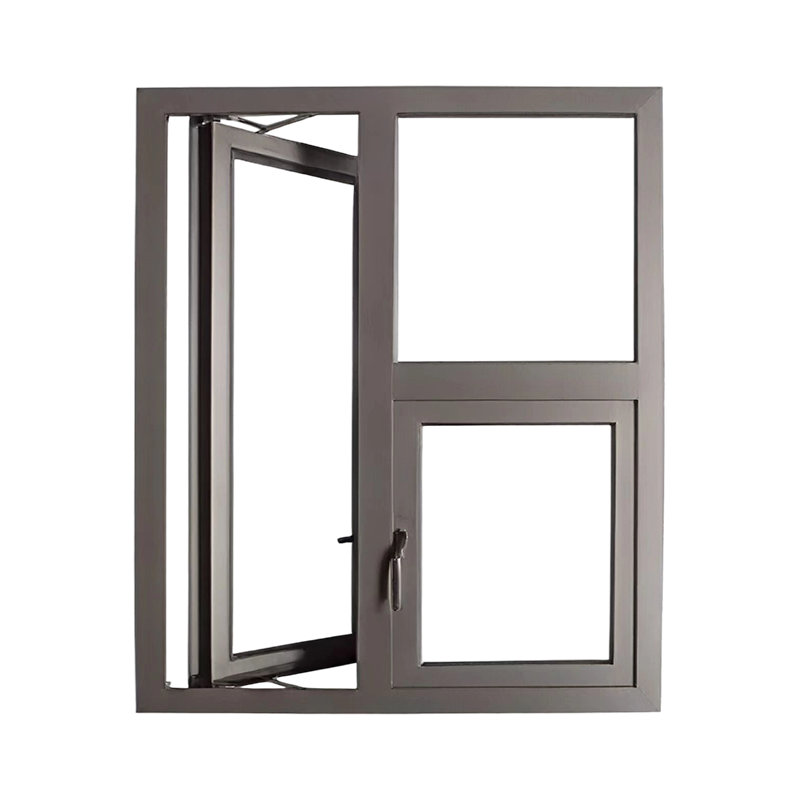 Custom Sealed and silent Aluminum Alloy Casement Windows Suppliers, Company - AnAnhui Yicheng is China Sealed and silent Aluminum Alloy Casement Windows Suppliers and Company, Custom Sealed and silent Aluminum Alloy C...View Product →
An awning window opens from the bottom, so the sash tilts outward and upward. That shape acts like a small canopy, shedding rain even when the window is open. It also allows convection, because warm air near the ceiling can escape through the top gap while cooler air enters from below.
When the facade faces weather exposure, our safety ventilation aluminum alloy awning windows keep interior comfort and rain protection in one design.
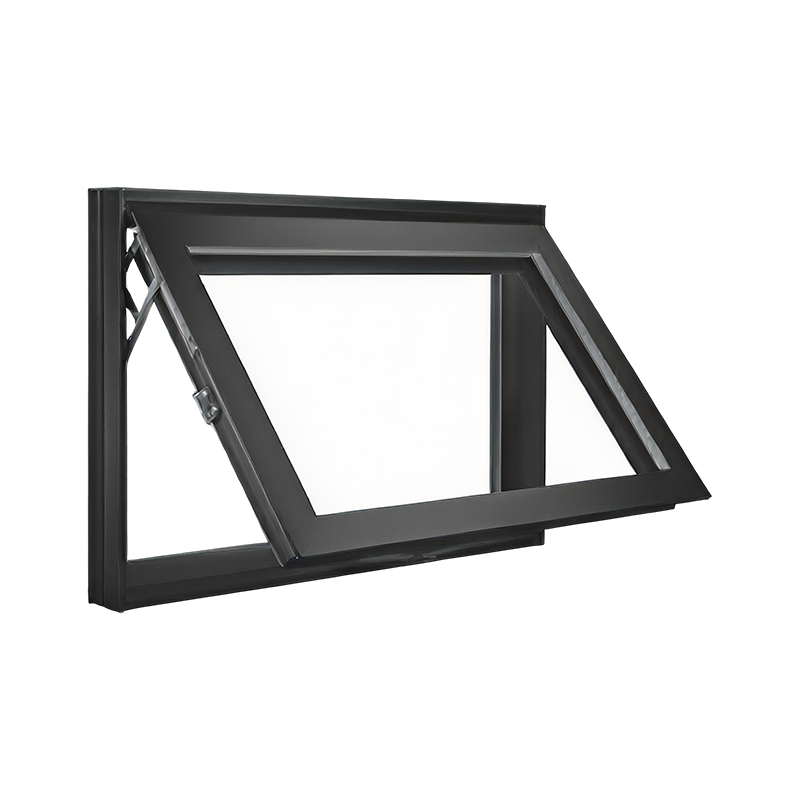 Custom Safety Ventilation Aluminum Alloy Awning Windows Suppliers, Company - AnhAnhui Yicheng is China Safety Ventilation Aluminum Alloy Awning Windows Suppliers and Company, Custom Safety Ventilation Aluminum Alloy A...View Product →
The comparison below assumes the same frame material, glass package, and installation quality. It shows the practical differences that come from the hinge position alone.
Architects often use casement where a large, clean opening matters, and awning where weather exposure or a high mounting height makes a side-hinged sash less practical. Our project references show how both styles can be combined in one facade without compromising performance.
Casement and awning windows often look similar from outside. The real difference appears in air leakage, water drainage, hardware load, and cleaning access. The bars below are relative indicators, not laboratory test values; they show why the hinge choice matters.
Open area
Casement 90%
Awning 50%
Rain safety
Casement 35%
Awning 80%
Seal pressure
Casement 85%
Awning 80%
Cleaning ease
Casement 75%
Awning 65%
The hidden risk with a casement is rain ingress when left open. The hidden risk with a wide awning is operator stress and deflection if the sash is too large for the hardware. Both risks can be managed by specifying the correct design pressure and opening size.
The pie below shows a representative specification mix for residential and light commercial projects in temperate and rainy climates. It is not a published market statistic; it reflects the common way project teams deploy each style.
Casement windows in bedrooms and living areas: 40%
Awning windows in bathrooms and above counters: 28%
Awning windows under fixed picture windows: 20%
Casement or awning in mixed commercial layouts: 12%
Use the step cards below to make a decision that survives framing, code review, and seasons of actual use. The right choice is not the more popular style; it is the style that fits the opening, the climate, and the maintenance plan.
Step 1: Define the opening role
A large living room window that needs egress should be a casement. A bathroom vent above counter height or a corridor window near a door can be an awning.
ROI risk: changing style later means moving rough openings, which is expensive.
Step 2: Check wind and rain exposure
If rain strikes the facade during storms, an awning window is the lower-risk choice for ventilation. In high-wind zones, ask for the design pressure rating of the sash, hinges, and operator.
ROI risk: a low-rated window can fail air-water tests and create costly callbacks.
Step 3: Verify code and cleaning access
For bedrooms, check the emergency egress opening required by local code. For upper floors, choose reversible casement hardware or an awning with tilt-wash capability.
ROI risk: windows that must be cleaned by rope access raise facility costs.
Step 4: Compare frame and glazing performance
The hinge style matters, but the frame profile and glass package usually matter more for energy cost. Thermal breaks and low-E coatings reduce condensation and heat transfer in both styles.
For high-efficiency projects, thermal break UPVC casement windows provide a strong baseline before you add glazing upgrades.
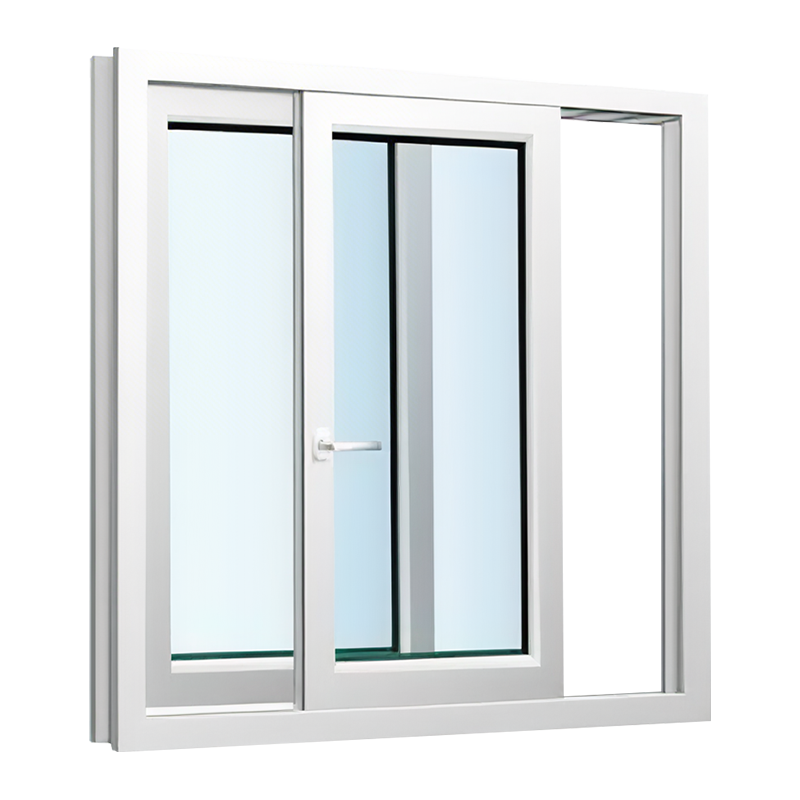 Custom Thermal Break UPVC Casement Windows Suppliers, Company - Anhui Yicheng NeAnhui Yicheng is China Thermal Break UPVC Casement Windows Suppliers and Company, Custom Thermal Break UPVC Casement Windows for sale, Te...View Product →
The best window specification still needs routine inspection. A casement and an awning both depend on moving parts, compression seals, and drainage paths.
The hinge position creates the personality of the window, but the frame, glazing, hardware, and installation quality determine how well that personality performs. If you are already deciding between thermal break frames and standard profiles, our detailed thermal break comparison explains the energy and durability impact beyond the hinge.


