

 English
 中文简体
中文简体Aluminum Windows: The Ultimate Guide to Alloy and Hurricane-Resistant Options
Introduction Aluminum windows have become one of the most popular choices in modern construction, offering a balance of strength, style, and practical...
Read MoreYou crank the handle, and the casement sash swings open, but on the way back it stops an inch short of the frame. Push further and the handle slips with a dry grinding sound — the gear teeth have stripped. On other windows the sash seems to close at the top yet leaves a thumbnail gap at the bottom, just enough for rain noise and cold drafts to find a way in. A casement window that won't close properly is one of the most frequent service calls we see in the fenestration industry, and nine out of ten cases involve only three components that you can inspect within five minutes.
Key conclusion: roughly 90% of casement closing failures come from the operator assembly (crank, worm gear, and drive arm), the hinge system, or the locking hardware. Diagnose these in that order before ordering a new sash, replacing the glass, or modifying the frame.
Below is a component-level explanation, a symptom-based diagnostic route, and honest guidance on which fixes are permanent versus which are temporary.
Content
A casement window closes as a coordinated movement rather than a simple hinge fold. Turning the handle rotates a worm gear inside the operator shoe; the gear advances a drive arm that pulls the sash through an arc fixed by the hinges; and at the end of travel, the locking handle compresses the sash against the weatherstripping. A fault at any point changes the closing geometry, so the sash either contacts the stop early, meets the frame at an angle, or stalls a few millimeters short.
The three components that carry the entire load:
The handle, worm gear, and drive arm. Standard units cover 12 to 24 inch sash strokes. This is the first place to look when the handle spins but the sash does not move.
Scissor or friction stay hinges define the sash trajectory. A bent hinge rail or loose screws shift that trajectory by millimeters, producing gaps at opposite corners.
The handle cam, cremone bolts, or multi-point locks pull the sash into final compression. If the latch engages before the sash seats, the weatherstrip is never fully loaded.
A practical tolerance to remember: a healthy casement compresses its weatherstripping by about 3 to 5 mm once locked. If a banknote slides freely along the closed gap, compression is already insufficient even though the window looks shut.
For ventilation-only openings, awning windows use the same operator family but with a shorter hinge throw and a top-hung sash that sheds rainwater when left ajar.
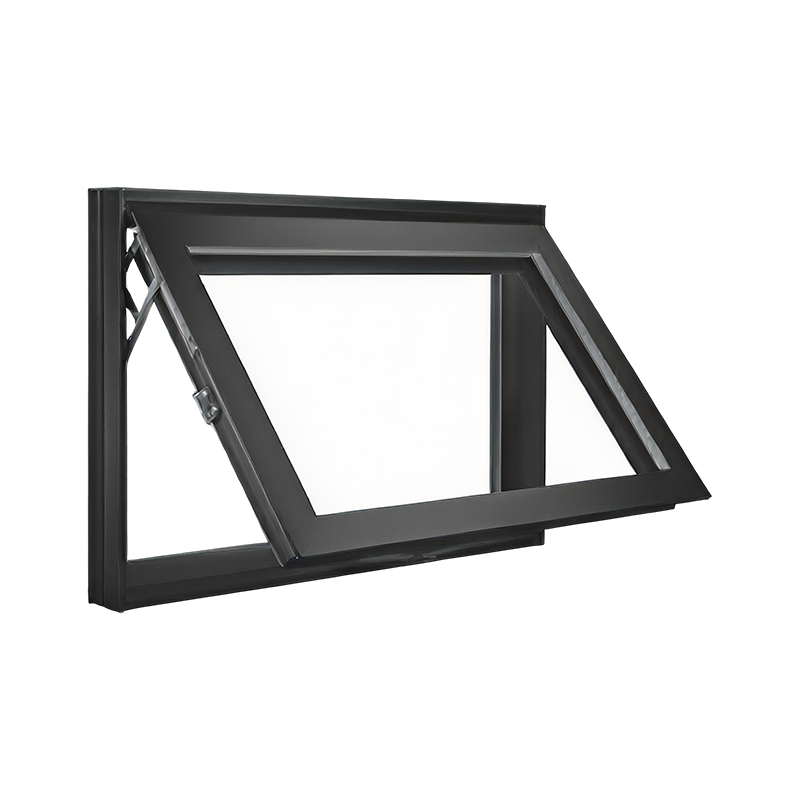 Safety Ventilation Aluminum Alloy Awning WindowsThis awning window offers tilt ventilation and full opening with a top-hung sash that sheds rainwater. Its hardened hardware design addresses the most common service issue, making it a practical choice for ventilation-only openings.View Product →
Service records from window fabrication and retrofit teams give a consistent ranking of root causes. Hardware leads by a wide margin; frame and glass problems are the minority.
Use the table when two or more causes seem possible. Start with the row that matches your window exactly, and test the cheaper check first.
| Symptom | Likely cause | First check | Typical fix |
|---|---|---|---|
| Handle turns freely, sash stays still | Stripped operator gear | Listen for clicking while turning the handle | Replace the operator assembly |
| Top seals, bottom edge leaves a gap | Hinge rail bent or hinge screws loose | Inspect scissor hinges with the sash weight supported | Adjust the hinge shoe or replace hinges |
| Sash reaches the frame but gap remains on the handle side | Lock compression lost or weatherstrip too thick | Banknote test around the full perimeter | Replace weatherstripping with the correct cross-section |
| Lock handle will not rotate to the closed position | Latch or strike misaligned | Mark the latch position against the strike | Shim or reposition the strike plate |
| Sash scrapes the same spot every time | Bent drive arm or swollen frame | Check arm straightness and frame squareness | Replace the arm or plane the frame edge |
Casement windows serve different building types with different duty cycles, so the same complaint points to different parts depending on the location.
Wind load deserves extra attention. In tall buildings, pressure against a partially open sash can flex the frame during the closing stroke, and once out of square the sash never returns to the same sealing position. This is why aluminum alloy windows dominate high-rise construction: their stiffer sections resist the wind-driven deflection that thinner metal and plastic frames cannot.
Decide with a simple rule: repair when the frame and glass are sound and only the hardware has worn; replace when the frame assembly is the failing component, when the unit is older than roughly 20 years, or when water has already penetrated the surrounding wall cavity.
Economics favor repair early and replacement late. A new operator assembly plus labor typically runs between $80 and $250 depending on the series; a full replacement window, including installation, commonly lands between $600 and $1,200 per opening. If a unit has needed hardware attention twice in five years, the next failure will probably justify replacement.
When choosing a replacement casement, select a unit whose operator and hinges are sized to the actual sash weight rather than the minimum specification.
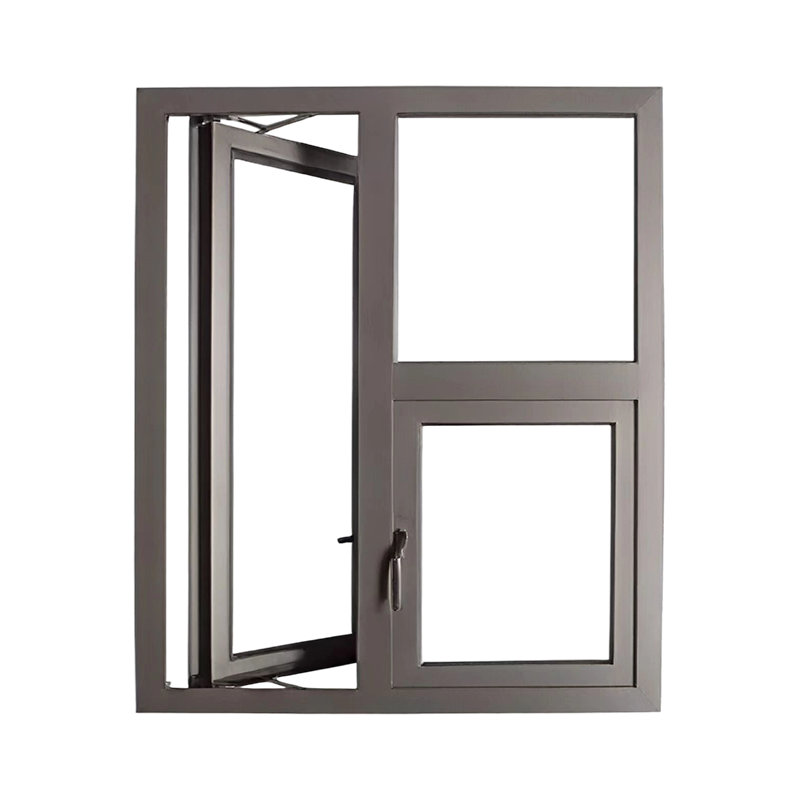 Sealed and Silent Aluminum Alloy Casement WindowsFeaturing a three-dimensional adjustable hinge and hidden drainage system, this casement supports inward, outward, and tilt modes. It is well-suited for replacement projects where operator and hinge sizing must match actual sash weight for lasting reliability.View Product →
Prevention is a twice-a-year ritual: clean the track and check the drain slots; lubricate the operator and hinge pivots annually with silicone or lithium grease, avoiding WD-40 as a treatment; inspect the weatherstripping for flattening each spring; and retighten hinge screws whenever a gap over the top edge reappears.
Replacement windows in bedrooms must meet the local building code's egress rules. The International Residential Code, widely used in North America, typically requires a net clear opening of at least 5.7 sq ft (0.53 m²), with a minimum opening height of 24 inches and a minimum opening width of 20 inches. Operator hardware on new casement units is commonly expected to satisfy AAMA 902, the voluntary specification for window operators, and installation should follow ASTM E2112, the standard practice for installing exterior windows, so the frame never develops the uneven gaps this article set out to fix.
Frame material determines how often alignment drifts back. Thermally broken extruded aluminum holds its geometry well and is the least likely to distort under thermal cycling; UPVC casements work reliably when reinforced internally with steel profiles; timber remains the most sensitive to seasonal humidity. A thermally broken UPVC casement with matched hardware is a common energy-efficient choice for residential projects.
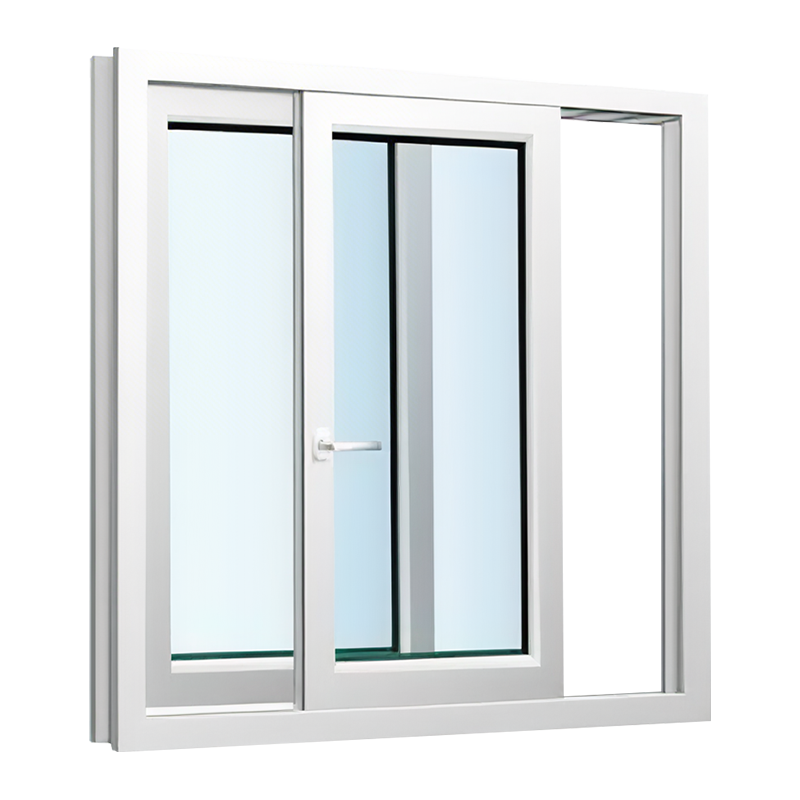 Thermal Break UPVC Casement WindowsWith a five-chamber uPVC profile and multi-point locking, this thermally broken casement maintains geometry under thermal cycling, reducing alignment drift. It is a dependable energy-efficient option for residential projects seeking stable operation and easy diagnosis of closing faults.View Product →
Most casement closing faults are diagnosed in under ten minutes, and most repairs cost less than the service call to inspect them. The exceptions — bent frames, flooded wall cavities, and discontinued hardware series — are equally straightforward once you stop repeating the same adjustment and look at the unit's full history.
For multi-opening buildings where all windows show the same closing symptom, the fault is often a standardisation problem: the hardware was sized for a sash range rather than for each opening. Our documented project case histories show how complete window and facade packages avoid this by matching operators, hinges, and locks to individual sash weights from the drawing stage onward.


