

 English
 中文简体
中文简体Aluminum Windows: The Ultimate Guide to Alloy and Hurricane-Resistant Options
Introduction Aluminum windows have become one of the most popular choices in modern construction, offering a balance of strength, style, and practical...
Read MoreThe crank handle turns freely, but the sash stays shut. By late afternoon, you can feel cold air leaking around a window that looks perfectly closed. You tightened the same hinge screws six months ago, and you replaced the operator last year. Now the real question is not whether to repair the part, but whether to repair at all, or commit to a full casement window replacement.
High-value conclusion:
Most casement window failures are hardware- or seal-driven, not structural. About eight out of ten problems trace back to the operator, the hinges, or the weatherstripping, and all three can be repaired without touching the glass or the frame. Replace the window only when the frame is distorted, the insulating glass is permanently fogged, or the hardware is obsolete and no spare parts exist.
The decision does not have to be a gamble. A few diagnostic checks and a clear cost comparison will tell you whether a repair can extend the opening's service life by years, or whether the frame has already reached the end of its useful life.
Content
A casement window swings outward on hinge arms and is pushed open by a gear-driven operator. That layout gives excellent ventilation and a tight compression seal, but it also means more moving parts than a sliding window. To diagnose correctly, you need to understand the four components that fail most often.
The gear case, shaft, and scissor arm carry the load of every open-and-close cycle. Worn gears, stripped splines, and seized shafts are the most common single point of failure. Symptoms include a handle that spins with no resistance, uneven opening, or a sash that will not fully close.
Sagging hinges let the sash droop and scrape against the frame. Screws strip over time, and aluminum or UPVC frames develop elongated holes. Symptoms show up as a visible gap on the latch side and difficulty locking the window.
Compression seals crack, harden, or pull loose. They are the classic cause of drafts, dust entry, and water ingress, and they also increase condensation on the frame in winter.
When the edge seal fails, argon gas leaks and moisture condenses between the panes. Fogging, white mineral lines, and a measurable drop in thermal comfort all point to a failed sealed unit.
The repair decision depends on which layer has failed and whether the problem has spread to the frame. A hardware fault is often a two-hour job; a failed sealed unit changes the entire economics.
Use this table as a first-pass budget model. Figures are indicative ranges per opening and will vary with glazing, frame material, and local labor rates.
| Option | Typical cost | Time required | Service life gained | Best choice when |
|---|---|---|---|---|
| Operator or hinge repair | $80-$200 | 1-2 hours | 4-7 years | Hardware is worn, but sash and frame are sound |
| Weatherstripping replacement | $40-$120 | 30-60 minutes | 3-5 years | Draft or water leak with no structural damage |
| Sash replacement in the existing opening | $350-$700 | Half a day | 10-15 years | Frame opening is square and sound, but the sash or glazing is beyond repair |
| Full casement window replacement | $700-$1,500 | 1 day plus finishing | 20+ years | Frame is distorted, parts are obsolete, or a major energy upgrade is planned |
Two patterns stand out. Hardware-level repairs cost a fraction of replacement and still buy several years of reliable service. Sash replacement is often the optimal middle path when the glazing is gone but the opening is reusable.
The quoted repair cost is only one part of the picture. Three hidden indicators determine whether a repair lasts or fails again within months.
Field service data from window maintenance companies shows that failures are not evenly distributed. The chart below is an indicative distribution based on common service-call records.
Read the chart as a diagnostic roadmap: roughly 85 percent of casement window faults are repairable while the window stays in place. The 5 percent frame-distortion group, plus a portion of glazing failures, are the cases where full replacement becomes the rational answer.
Casement windows are not a one-market product. Repair demand follows the building type and the local climate, and that distribution helps facility owners benchmark their own maintenance priorities.
Residential projects dominate because casements are common in bedrooms and living areas, where operators are cycled daily and hardware tends to be light-duty. Commercial and coastal failures are usually more expensive, because larger sash sizes, wind loads, and salt corrosion demand stronger hardware and more careful specification.
Follow this sequence when a casement window is not performing. It keeps the decision logical and prevents a low-cost repair from being wasted on a structurally finished window.
When should you call a professional? Stop and request a qualified assessment if you work at height, if the window is part of a fire-rated or egress path, if the sash is larger than about 1.2 square meters, or if the frame shows visible movement or rot.
A repaired casement window stays repaired only if the root cause is removed and the maintenance routine is realistic. Build these practices into your facility schedule.
Compliance matters beyond comfort. In many jurisdictions, a bedroom casement must still open to full egress dimensions after the repair, usually without tools and with a single unlocking motion. If the repair changes the opening size or sash weight, verify that the project still meets local egress and energy codes. In hurricane-prone areas, replacement glazing may need to meet wind-debris impact ratings, so confirm the local regulation before swapping a standard sash.
The most effective repair is the one you never need. Casement windows fail early when the frame profile is thin, the thermal break design is weak, or the hardware is undersized for the sash weight. That is why the product selection decision matters more than any single repair job.
A rigid, thermally broken frame keeps the sash square and gives hinge screws a solid anchor. Extruded aluminum profiles with a polyamide thermal break, or reinforced UPVC profiles, resist the flexing that loosens hardware over time. A well-designed profile also includes a continuous gasket channel, which simplifies weatherstripping replacement later.
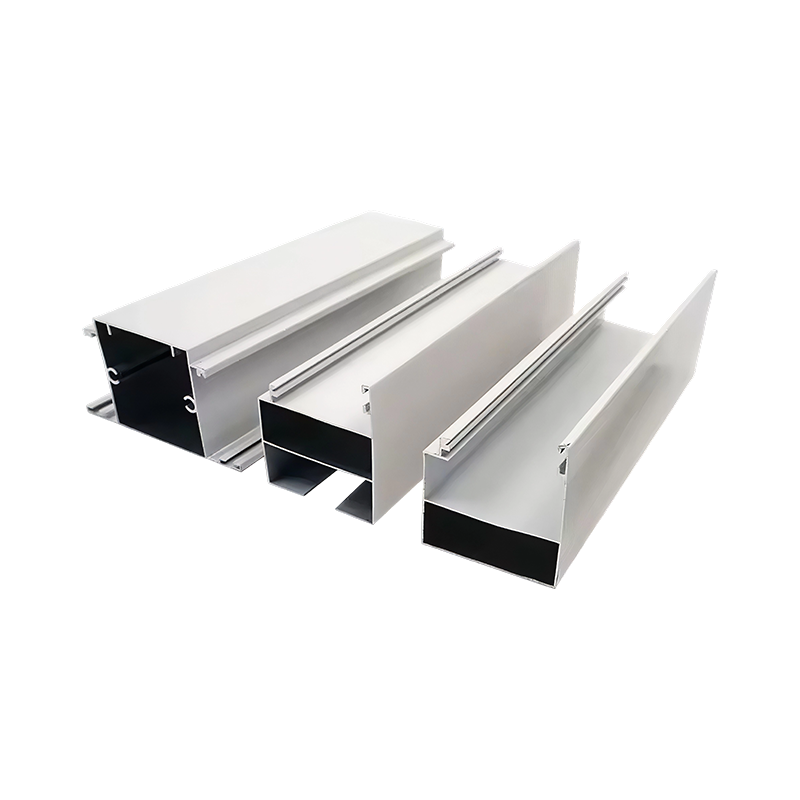 Polyamide Thermal Break Aluminum Alloy Profile for Window FramesThis extruded aluminum profile with polyamide thermal break offers low thermal conductivity and high structural rigidity, anchoring hardware firmly. Ideal for energy-efficient windows and facades, it supports long-term durability.View Product →
For commercial projects and coastal buildings, aluminum casement windows with sealed, quiet operating hardware reduce both maintenance frequency and noise transmission. When you are evaluating an existing opening or specifying a new one, compare the thermal break construction, hardware rating, and glazing depth before you look at price. You can read more about thermal break casement windows versus standard aluminum casement windows in our detailed comparison.
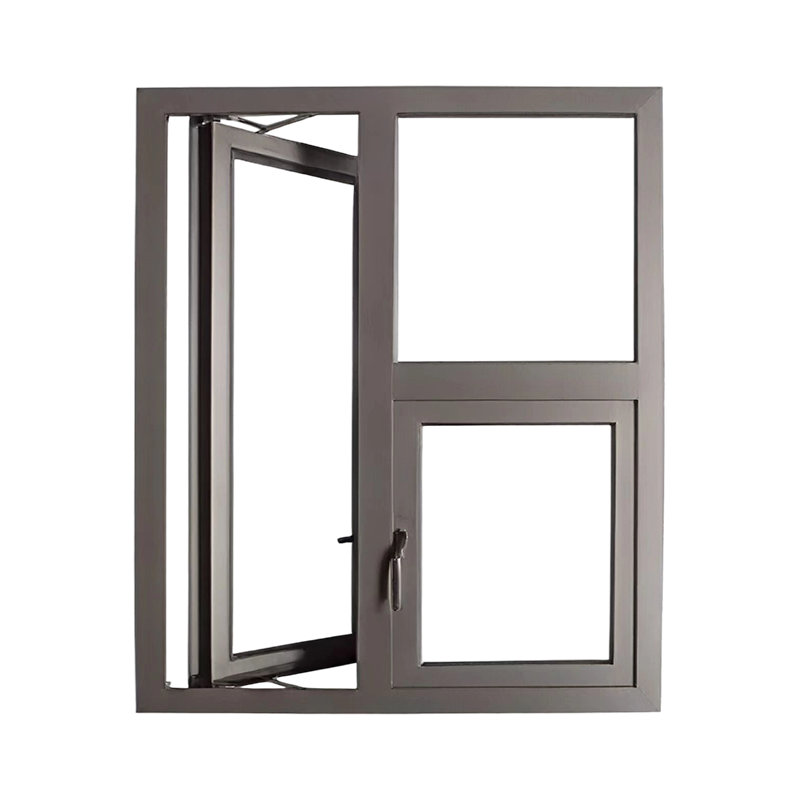 Sealed Silent Aluminum Casement Window with Thermal BreakEngineered for commercial and coastal settings, this casement window features a 20mm polyamide thermal break, sound insulation up to 40dB, and a hidden drainage system. Its three-dimensional hinge supports multiple opening modes for ventilation and safety.View Product →
UPVC casement windows combine low thermal conductivity with very low maintenance, which makes them a common choice for residential and institutional buildings. A thermal break UPVC core adds stiffness where the hardware mounts and reduces condensation risk on the frame.
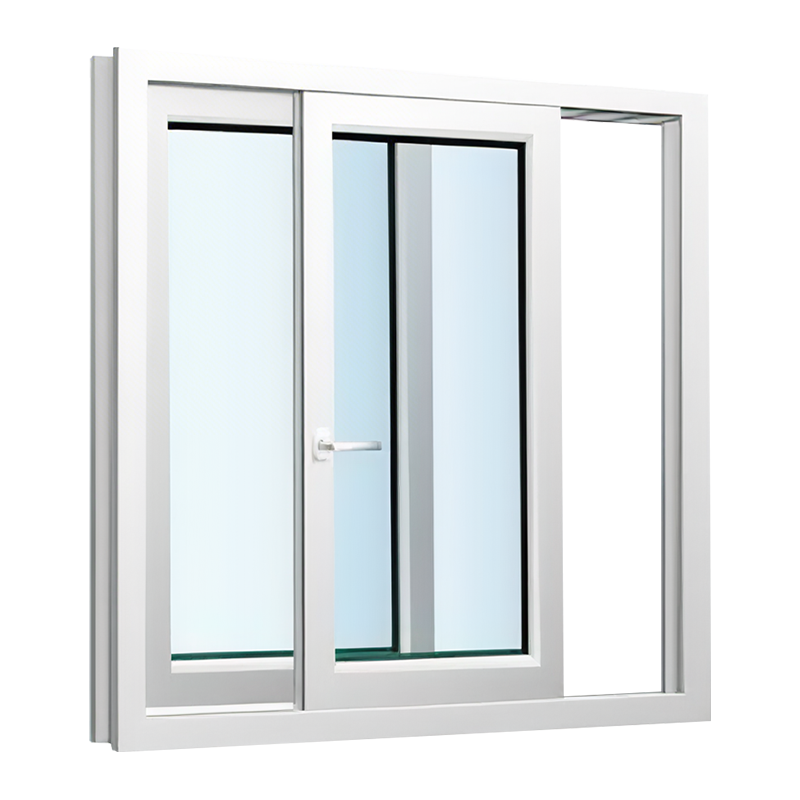 Thermal Break UPVC Casement Window with Multi-Point LockingThis side-hung UPVC casement window offers U-values as low as 1.0 W/m²K, air tightness Class 4, and a 6-point locking system. Reinforced steel core enhances security, making it a reliable replacement option for repeated repairs.View Product →
The repair-versus-replace decision should feed back into procurement. If you are replacing more than a couple of casements, the cost of new, better-engineered windows becomes easier to justify against a pattern of repeated repairs. Selecting a supplier who controls the full chain from profile extrusion to finished sash, as we do across our manufacturing and engineering operations, makes the result far more predictable over a 20-year service life.


