

 English
 中文简体
中文简体Aluminum Windows: The Ultimate Guide to Alloy and Hurricane-Resistant Options
Introduction Aluminum windows have become one of the most popular choices in modern construction, offering a balance of strength, style, and practical...
Read MoreContent
When evaluating railing options for stairs, balconies, decks, or entranceways, metal railing systems consistently deliver a combination of structural integrity, longevity, and visual versatility that wood, vinyl, or composite alternatives cannot match. Metal railings bear higher lateral loads, resist impact damage, and maintain dimensional stability across temperature extremes — all critical factors in both residential and commercial environments where safety standards are non-negotiable.
Beyond structural performance, metal railings offer architects and property owners a genuine range of aesthetic directions. A zinc steel railing can be powder-coated in any color to complement a contemporary facade. A stainless steel system delivers the clean, reflective finish expected in modern commercial lobbies. Wrought iron brings the hand-crafted detail and visual weight associated with traditional and heritage architecture. This material diversity means that metal railing systems serve virtually every architectural application — from modest residential staircases to large-scale commercial plazas — without requiring compromise on either performance or appearance.
Understanding the structural and material differences between railing types is the foundation of any informed specification decision. The three primary categories — zinc steel, stainless steel, and wrought iron — each occupy a distinct performance and aesthetic niche, and each is engineered to address specific demands of residential and commercial metal railings projects.
| Type | Base Material | Corrosion Resistance | Aesthetic Style | Best Application |
| Zinc Steel | Low-carbon steel + zinc coating | High (galvanic protection) | Modern / Customizable | Outdoor residential, balconies |
| Stainless Steel | Chromium-nickel alloy steel | Very High (passive oxide layer) | Minimalist / Contemporary | Commercial interiors, coastal |
| Wrought Iron | Refined iron with slag inclusions | Moderate (requires coating) | Classical / Ornate | Heritage homes, decorative gates |
Zinc steel railings are produced by applying a zinc coating — through hot-dip galvanization or electroplating — to a formed steel substrate. The zinc layer acts as a sacrificial anode: even if the surface is scratched or chipped, the exposed steel remains protected because zinc corrodes preferentially, preventing the underlying metal from oxidizing. This galvanic protection mechanism makes zinc steel one of the most reliably corrosion-resistant metal railings available at a mid-range price point.
From an environmental standpoint, zinc is a naturally occurring element that does not produce toxic byproducts during the coating process, and zinc-coated steel is fully recyclable at end of service life. For projects seeking sustainable material specifications — particularly residential developments targeting green building ratings — zinc steel railings offer a credible, high-performance option. When finished with a UV-stable powder coating, these railings resist fading and chalking in direct sunlight, making them well-suited to outdoor balconies, garden staircases, and rooftop terraces.
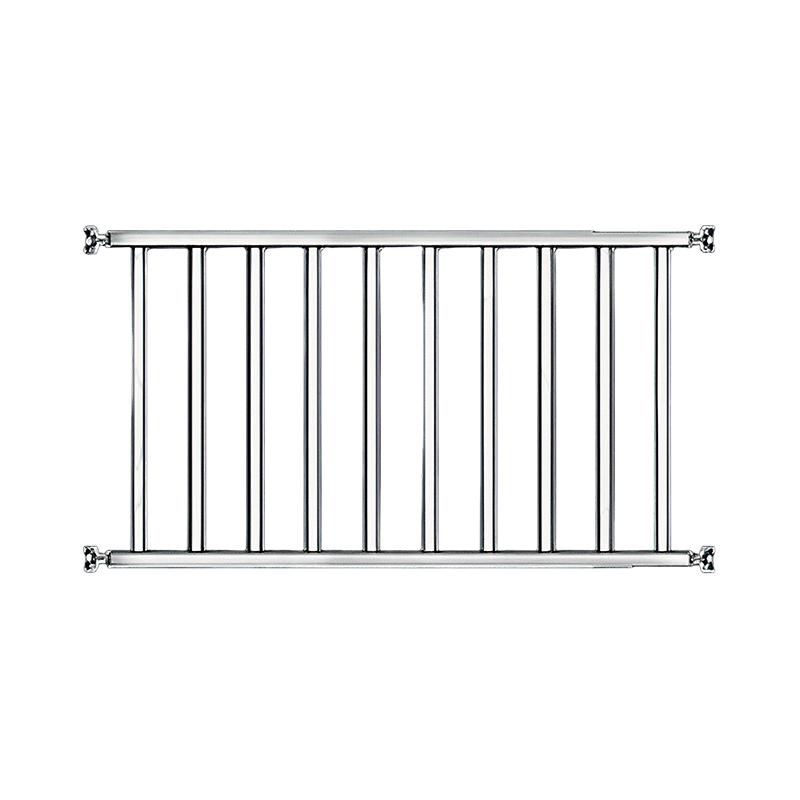
Stainless steel achieves its corrosion resistance through an entirely different mechanism than zinc steel. The chromium content — a minimum of 10.5% by mass in all stainless alloys — reacts with atmospheric oxygen to form a thin, invisible chromium oxide layer on the surface. This passive film is self-repairing: if the surface is scratched, the oxide layer reforms spontaneously in the presence of oxygen. The result is a railing system that requires no external coating to remain corrosion-free under normal operating conditions.
For commercial metal railing applications — shopping centers, office buildings, hotels, airports — stainless steel is frequently the specification default because it combines low lifetime maintenance cost with a clean, professional appearance that aligns with contemporary design language. Grade 316 stainless, which contains molybdenum in addition to chromium and nickel, performs exceptionally well in coastal and high-humidity environments where chloride ion exposure would compromise lesser alloys. The brushed or satin finish common in commercial installations also has the practical advantage of concealing fingerprints and minor surface scratches that would be visible on a polished surface.
Wrought iron is distinguished from cast iron and mild steel by its fibrous slag inclusions, which give the material a characteristic grain structure that contributes to its toughness and workability. Traditional wrought iron railings are fabricated by heating iron to a plastic state and shaping it under hammer or press — a process that allows the creation of curved scrolls, tapered pickets, and hand-forged decorative elements that no other metal can replicate with the same visual authenticity. For residential properties with heritage architecture, period-appropriate detailing in a wrought iron railing system adds genuine architectural value that influences property appraisal.
The robust construction of wrought iron — its high tensile strength and resistance to impact deformation — makes it structurally well-suited to high-traffic residential staircases and entrance gates. The primary maintenance requirement is periodic inspection and recoating of protective finishes, since uncoated wrought iron will develop surface rust in humid environments. A well-maintained wrought iron railing system protected by a zinc-rich primer and high-quality enamel topcoat will deliver service lives of 20 to 40 years with no structural degradation.
The performance requirements for residential and commercial metal railings diverge in several meaningful ways, and selecting the wrong type for a given context creates either unnecessary cost or inadequate performance. Residential applications typically prioritize aesthetic integration with the existing architecture, budget efficiency, and ease of installation. Commercial applications place greater emphasis on code compliance for higher occupancy loads, ease of cleaning for high foot traffic, and long-term lifecycle cost rather than initial purchase price.
For residential projects, the choice between zinc steel, stainless steel, and wrought iron typically comes down to architectural style and exposure conditions. A zinc steel railing with powder-coat finish is the most cost-effective choice for outdoor deck and balcony applications in temperate climates. Stainless steel suits coastal residential properties or modern homes where the building facade features glass, concrete, or other industrial materials. Wrought iron is the natural choice for traditional homes, Victorian terraces, or any property where decorative detail and architectural character are central to the project brief.
Commercial environments demand railing systems that can withstand concentrated loads, high cleaning frequencies, and the scrutiny of regular safety inspections. Stainless steel dominates commercial metal railing specifications because its passive corrosion resistance requires no coating maintenance, its surface tolerates repeated cleaning with industrial detergents without degrading, and its load-bearing capacity — particularly in larger tube and post profiles — meets the stringent requirements of commercial building codes. Zinc steel is increasingly used in commercial outdoor applications such as car park stairwells and pedestrian bridges, where its cost advantage over stainless is significant and the finish can be matched to corporate color palettes through powder coating.
Regardless of material type, all metal railing systems deployed in occupied buildings must meet minimum safety performance standards that govern height, baluster spacing, load resistance, and handrail graspability. In most jurisdictions, residential guard rails on elevated surfaces must reach a minimum of 900–1,000 mm in height, while commercial installations typically require 1,100 mm or higher. Baluster or infill spacing must prevent passage of a 100 mm sphere to eliminate child entrapment risk. Top rails must resist a minimum concentrated horizontal load of 0.74 kN/m in residential settings and up to 3.0 kN/m in high-occupancy commercial environments.
Manufacturers who supply corrosion-resistant metal railings to the construction market typically test their systems against these standards through third-party structural engineering assessment and materials certification. When purchasing, specifiers should request documentation confirming compliance with applicable national standards and verify that the specified system has been tested at the post embedment depth and substrate type relevant to their project. Surface finish certifications — such as salt spray test results for zinc coatings or passivation verification for stainless steel — provide objective evidence that the corrosion protection will perform as claimed over the intended service life.
The lifecycle economics of metal railing systems consistently favor quality over initial price minimization. A zinc steel railing system correctly specified and installed will outlast a low-cost alternative by 10–15 years, with proportionally lower maintenance expenditure. A stainless steel system, despite its higher upfront cost, may deliver 30 or more years of service in a commercial setting with no coating maintenance — a lifecycle outcome that reduces total cost of ownership below that of systems requiring periodic repainting or re-galvanizing. Wrought iron, when properly protected and maintained, becomes more valuable over time as its craftsmanship and patina contribute to the character of historic properties.
For property developers and facility managers evaluating railing specifications, the key metrics are annualized cost — total installation cost plus lifetime maintenance divided by expected service life — rather than purchase price alone. When evaluated on this basis, high-quality corrosion-resistant metal railings in zinc steel, stainless steel, or wrought iron consistently offer superior value compared to lower-cost alternatives that require frequent intervention to maintain structural safety and appearance. Selecting the right system from the outset, matched to the specific environmental exposure and occupancy demands of the project, is the single most effective strategy for maximizing the long-term return on a railing investment.


