English
 中文简体
中文简体Aluminum Windows: The Ultimate Guide to Alloy and Hurricane-Resistant Options
Introduction Aluminum windows have become one of the most popular choices in modern construction, offering a balance of strength, style, and practical...
Read MoreContent
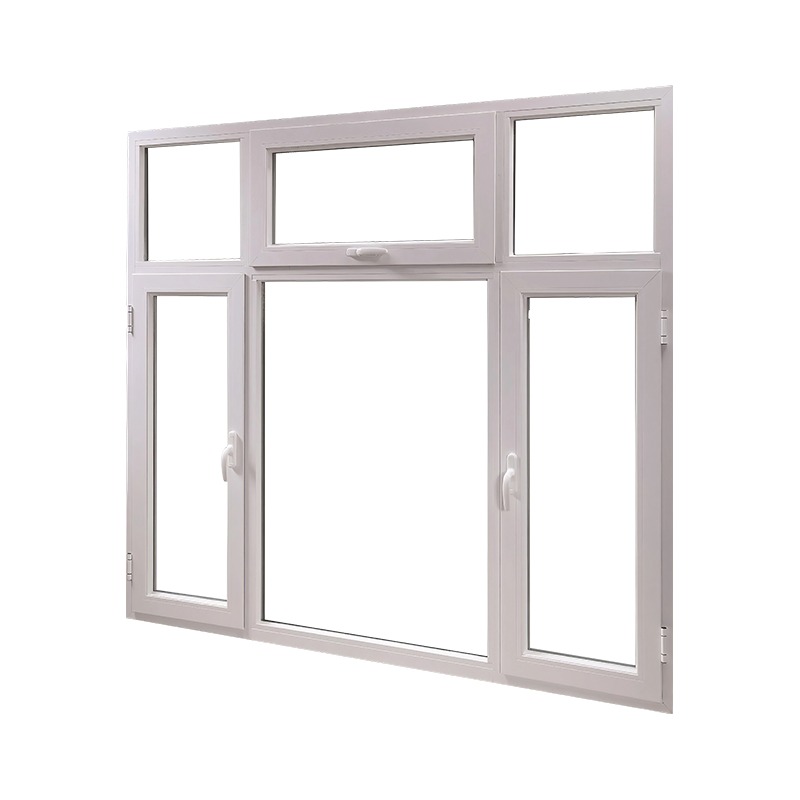
UPVC Doors represent a significant advancement in building material technology, offering homeowners and architects a reliable alternative to traditional wooden or aluminum options. Unplasticized Polyvinyl Chloride (UPVC) is engineered to deliver exceptional performance without the maintenance challenges associated with natural materials. When combined with galvanized steel reinforcement inside the frame, these plastic steel doors and windows achieve remarkable structural integrity while maintaining lightweight properties. This innovative composition allows UPVC Doors to resist warping, cracking, and fading even after years of exposure to harsh weather conditions. The material's inherent stability ensures consistent operation of hinges and locking mechanisms, reducing the need for frequent adjustments or repairs that plague conventional door systems.
Beyond durability, UPVC Doors contribute significantly to a building's overall energy profile. The multi-chambered design of UPVC profiles creates effective thermal breaks that minimize heat transfer between interior and exterior environments. This feature is particularly valuable in regions with extreme temperature fluctuations, where maintaining consistent indoor comfort can otherwise lead to excessive heating or cooling costs. Additionally, the seamless welding technique used in manufacturing UPVC Doors eliminates gaps and joints that typically allow air infiltration. As a result, buildings equipped with plastic steel doors and windows often achieve superior energy efficiency ratings, supporting both environmental sustainability goals and long-term utility savings for occupants.
The technical specifications of plastic steel doors and windows directly address common concerns in modern building design. Thermal insulation performance is measured by U-values, with high-quality UPVC Doors typically achieving ratings below 1.5 W/m²K, significantly outperforming standard aluminum frames. This efficiency stems from the material's low thermal conductivity combined with strategic reinforcement placement that avoids creating thermal bridges. Sound insulation represents another critical advantage, as the dense UPVC material and multi-point locking systems create effective barriers against external noise pollution. For urban residences or commercial properties located near busy thoroughfares, this acoustic dampening can dramatically improve interior comfort and productivity.
Security considerations drive many purchasing decisions for entry doors, and UPVC Doors excel in this critical area. The integration of multi-point locking systems with reinforced steel cores creates a formidable barrier against forced entry attempts. Unlike wooden doors that can split around lock points or aluminum frames that may bend under pressure, plastic steel doors and windows maintain structural integrity during impact tests. Advanced models feature shoot-bolt mechanisms that engage at multiple points along the frame, distributing force and preventing lever-style attacks. Additionally, the inherent strength of UPVC material resists drilling and cutting attempts, while optional laminated or tempered glass upgrades provide further protection without compromising visibility or natural light transmission.
Weather resistance extends beyond basic water protection to encompass long-term material stability. UPVC Doors undergo rigorous testing for UV resistance, ensuring that color retention and surface texture remain consistent after years of sun exposure. The material's non-porous nature prevents moisture absorption that can lead to rot, mold, or insect infestation—common failure points for wooden alternatives. In coastal environments where salt spray accelerates corrosion, plastic steel doors and windows demonstrate superior performance compared to metal frames. This resilience translates to lower lifecycle costs, as property owners avoid frequent repainting, sealing, or component replacement associated with less durable materials.
The versatility of UPVC Doors makes them suitable for diverse architectural contexts. In residential settings, these doors serve effectively as main entryways, patio access points, or interior partitions where thermal separation is desired. Customization options include a wide range of colors, finishes, and hardware configurations that complement both traditional and contemporary design aesthetics. For commercial applications, plastic steel doors and windows meet stringent building codes while providing the durability required for high-traffic environments. Retail spaces benefit from the clean sightlines and security features, while office buildings appreciate the noise reduction and energy efficiency contributions. Public institutions such as schools and healthcare facilities value the low-maintenance characteristics and hygienic surfaces that simplify cleaning protocols.
| Building Type | Recommended UPVC Door Features | Key Benefit |
| Single-Family Home | Decorative glass, multi-point lock | Curb appeal + security |
| Apartment Complex | Fire-rated options, sound insulation | Safety + noise control |
| Retail Storefront | Large glass panels, anti-lift hardware | Visibility + theft prevention |
| Healthcare Facility | Antimicrobial surfaces, easy-clean design | Hygiene + durability |
One of the most compelling arguments for choosing UPVC Doors lies in their minimal maintenance requirements. Unlike wooden doors that demand periodic sanding, staining, or painting, plastic steel doors and windows typically require only occasional cleaning with mild soap and water to maintain their appearance. The color is integrated throughout the material during manufacturing, eliminating concerns about chipping paint or fading finishes. Hardware components such as hinges and locks benefit from the stable frame that prevents misalignment, reducing the frequency of adjustments. For property managers overseeing multiple units, this low-maintenance characteristic translates to significant operational savings and reduced disruption for occupants.
When evaluating total cost of ownership, UPVC Doors demonstrate strong value propositions despite potentially higher initial investments compared to basic alternatives. Energy savings from improved insulation can offset purchase premiums within 5-7 years through reduced heating and cooling expenses. The extended service life—often exceeding 30 years with proper installation—further enhances return on investment by deferring replacement costs. Additionally, the aesthetic versatility and performance credentials of plastic steel doors and windows can increase property resale values, appealing to environmentally conscious buyers seeking modern, efficient homes. By selecting quality UPVC Doors from reputable manufacturers, building owners secure a reliable, attractive, and economically sound solution for their entryway and fenestration needs.