

 English
 中文简体
中文简体Aluminum Windows: The Ultimate Guide to Alloy and Hurricane-Resistant Options
Introduction Aluminum windows have become one of the most popular choices in modern construction, offering a balance of strength, style, and practical...
Read MoreFor most homeowners, the choice between uPVC and aluminium windows comes down to a trade-off between upfront cost and long-term performance. uPVC delivers superior thermal insulation at a significantly lower price, while aluminium offers unmatched structural strength, slimmer frames, and a longer service life. If energy efficiency and budget are your primary concerns, uPVC is the practical winner; if you prioritise large glass areas, contemporary aesthetics, or commercial-grade durability, aluminium justifies its premium.
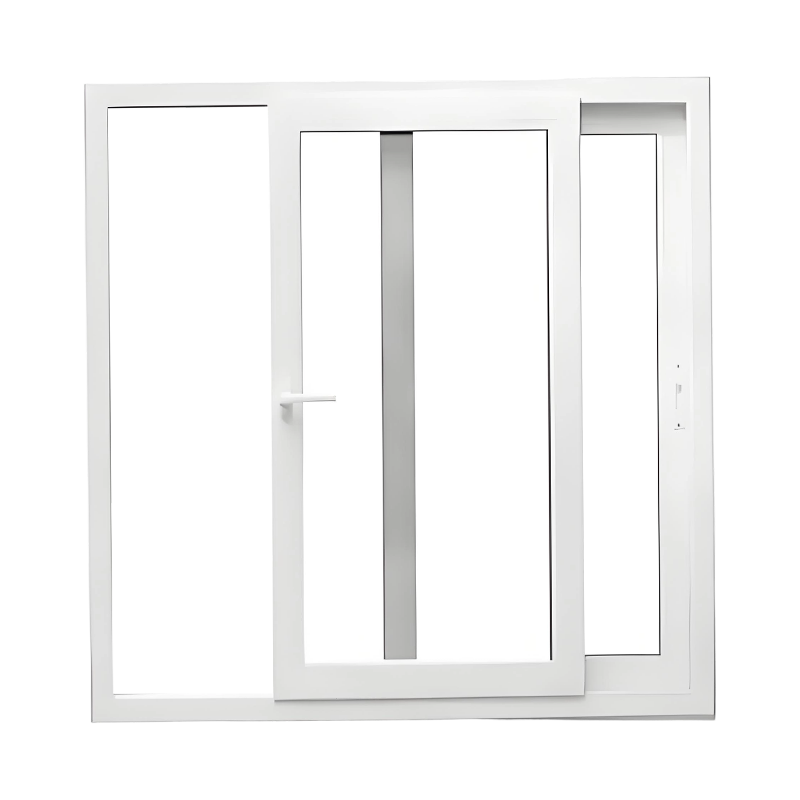
Content
Thermal insulation is often the deciding factor. Modern uPVC frames typically achieve U-values between 1.2 and 1.6 W/m²K thanks to multi-chamber profiles that trap air. Aluminium, by contrast, is a highly conductive metal; without a thermal break, its U-value can be as poor as 5.0 W/m²K. However, quality aluminium systems now incorporate a polyamide thermal break, bringing U-values down to 1.4–1.8 W/m²K. Still, uPVC holds an edge of around 0.2–0.4 W/m²K when comparing similarly glazed units, translating to slightly lower heating bills in colder climates.
Aluminium windows can easily last 40–45 years, withstanding extreme temperatures from -40°C to 120°C without warping or cracking. Powder-coated or anodized finishes need only occasional cleaning and resist corrosion in salt-spray tests for 1,000+ hours. uPVC has a typical lifespan of 20–30 years and may discolour or become brittle after prolonged UV exposure, though modern formulations with titanium dioxide extend this. uPVC requires little more than wiping down, but scratched surfaces are harder to repair than on aluminium which can be re-coated.
Aluminium’s inherent strength permits frames as slim as 45–50 mm across the face, maximising glass area and clean lines. uPVC needs thicker profiles — often 70–100 mm — to achieve comparable stiffness, which can look bulkier in contemporary settings. Aluminium also supports larger sash sizes without reinforcement, making it the default choice for floor-to-ceiling panoramic glazing. In terms of colour, both materials offer extensive RAL palettes, but aluminium provides a superior metallic finish and realistic woodgrain effects through sublimation, while uPVC woodgrain foils can be less convincing.
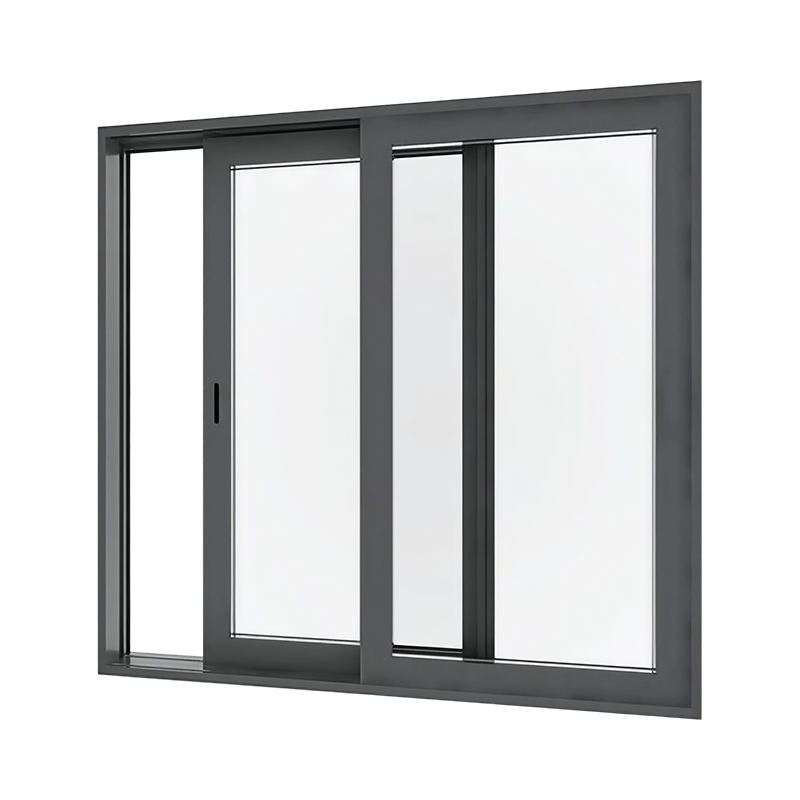
| Window Type | uPVC | Aluminium (Thermal Break) |
|---|---|---|
| Cost per window | £250–£450 | £500–£900 |
| Typical U-value (triple glazed) | 0.9–1.1 W/m²K | 1.0–1.3 W/m²K |
| Expected lifespan | 20–30 years | 40+ years |
Aluminium commands a 70–100% price premium over uPVC. For a typical house with 8–10 windows, choosing aluminium can add £2,500–£5,000 to the project, though the longer lifespan and lower maintenance can partially offset this over decades.
Both materials can accommodate multi-point locking systems and achieve PAS 24 or Secured by Design certification. Aluminium’s inherent rigidity gives it a slight advantage: the frame itself resists bending under attack, while uPVC often relies on internal steel or galvanised reinforcement. A properly engineered aluminium window with stainless steel shoot bolts and hinge-side security brackets will resist crowbar leverage more effectively than a similarly priced uPVC unit, though top-tier uPVC with full reinforcement closes the gap.
Aluminium is 100% recyclable at end of life with no loss of quality, and recycling uses only 5% of the original energy input. uPVC can be recycled, but the process is less common and the material degrades slightly with each cycle. However, uPVC production has a lower initial carbon footprint. From a life-cycle perspective, aluminium’s longevity and infinite recyclability often give it the edge in green building certifications like LEED and BREEAM, provided a thermal break is used.
Your decision should hinge on three factors: budget, aesthetic ambition, and longevity expectations. A summary of the ideal scenarios clarifies the path.
Ultimately, uPVC remains the most cost-effective and thermally efficient option for standard residential windows, while aluminium leads in structural performance, design flexibility, and lifecycle value. Weighing the specific U-values, frame thicknesses, and total project costs will point you clearly to the material that fits your home and your priorities.


