

 English
 中文简体
中文简体Aluminum Windows: The Ultimate Guide to Alloy and Hurricane-Resistant Options
Introduction Aluminum windows have become one of the most popular choices in modern construction, offering a balance of strength, style, and practical...
Read MoreContent
Aluminum sliding doors are a popular choice for both residential and commercial spaces due to their durability, sleek appearance, and space-saving design. Selecting the right aluminum sliding door requires consideration of factors such as size, functionality, material quality, and design compatibility with your interior or exterior space. Making an informed choice ensures both aesthetic appeal and long-term performance.
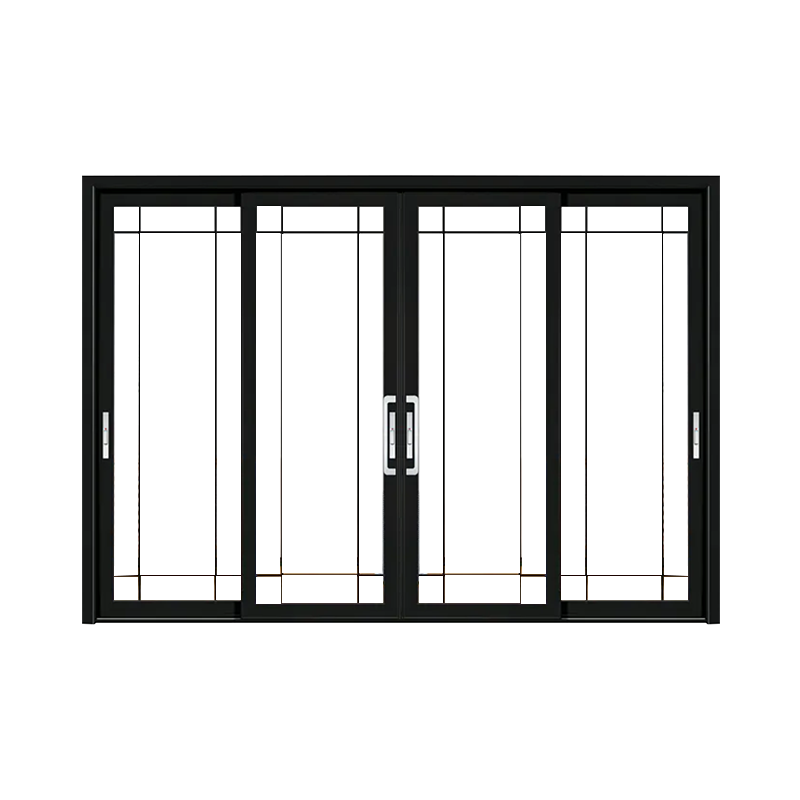
Before selecting an aluminum sliding door, it is essential to evaluate the dimensions, layout, and purpose of the area. Measure the height and width of the opening accurately and consider the door’s swing or sliding direction. Additionally, think about whether the door will be used as a main entrance, patio door, or room divider, as this affects the type and design of the sliding system required.
Sliding doors save space compared to hinged doors, but it is important to ensure there is enough wall or panel area for the door to slide open fully. Consider adjacent furniture, fixtures, or walls that may affect door operation. For tight spaces, multi-panel or telescopic sliding doors can maximize accessibility without compromising movement.
Determine whether you require features such as enhanced insulation, soundproofing, or high security. Aluminum sliding doors can be fitted with double-glazed panels, laminated glass, or reinforced frames to meet specific functional needs. Consider the frequency of use and whether the door will be exposed to harsh weather conditions if installed outdoors.
Aluminum sliding doors are available in various grades, thicknesses, and surface finishes. Selecting the appropriate material ensures structural integrity, resistance to corrosion, and long-lasting appearance.
Opt for high-quality aluminum frames that provide strength without excessive weight. Look for thermal break options, which reduce heat transfer and enhance energy efficiency. Frames should be designed to accommodate smooth sliding mechanisms and weather seals to prevent air or water leakage.
Aluminum sliding doors come in anodized, powder-coated, or painted finishes. Select a finish that complements your interior or exterior design while providing protection against UV exposure, corrosion, and fading. Neutral tones often suit modern aesthetics, while customized colors allow unique design expression.
The glass or panel choice affects light transmission, privacy, and insulation. Aluminum sliding doors can accommodate single, double, or triple-glazed panels, tinted or frosted glass, and decorative patterns.
Double-glazed or laminated glass improves thermal insulation and reduces energy consumption. Consider low-E coatings to minimize heat transfer and maintain comfortable indoor temperatures, especially for patio or balcony doors exposed to sunlight.
Frosted or tinted glass enhances privacy without compromising natural light. Reinforced glass or laminated panels improve security and reduce the risk of breakage. Locking mechanisms integrated into the frame further enhance safety.
The sliding system is critical for smooth operation and longevity. High-quality rollers, tracks, and handles ensure quiet, effortless movement and reduce maintenance requirements.
Choose precision-engineered rollers with ball-bearing mechanisms for smooth sliding. Tracks should be corrosion-resistant and designed to handle the door’s weight without sagging or misalignment.
Ergonomic handles and secure locking systems enhance usability and safety. Additional accessories, such as soft-close mechanisms or automated sliding systems, provide added convenience for residential or commercial installations.
| Feature | Single-Panel Sliding Door | Multi-Panel Sliding Door | Telescopic Sliding Door |
|---|---|---|---|
| Space Usage | Moderate | Optimized for large openings | Maximizes accessibility in compact areas |
| Cost | Low to moderate | Moderate to high | High |
| Installation Complexity | Simple | Moderate | Complex |
| Maintenance | Low | Low to moderate | Moderate |
Choosing the right aluminum sliding door requires careful consideration of space, functionality, material quality, glass options, and hardware. By evaluating these factors and comparing available options, homeowners and designers can select a door that enhances aesthetics, maximizes usability, and delivers long-term performance. Proper selection ensures that aluminum sliding doors become both a practical and visually appealing feature of any space.


