English
 中文简体
中文简体Aluminum Windows: The Ultimate Guide to Alloy and Hurricane-Resistant Options
Introduction Aluminum windows have become one of the most popular choices in modern construction, offering a balance of strength, style, and practical...
Read MoreContent
Aluminum alloy windows have rapidly replaced traditional wooden and steel fenestration in contemporary construction due to their superior material properties and long-term reliability. As functional building components, these systems utilize high-strength aluminum alloy profiles as the primary structural frame, seamlessly integrating advanced glazing, precision hardware, and multi-layer sealing systems. The transition from conventional materials to aluminum alloys addresses critical architectural demands, offering a lightweight yet exceptionally robust alternative that reduces structural load while maximizing durability. Unlike wood, which is susceptible to rot, warping, and insect damage, or steel, which corrodes rapidly in humid environments, aluminum maintains its dimensional stability across decades of exposure. The inherent plasticity of extruded aluminum profiles allows architects to customize sightlines, corner radii, and frame depths without compromising structural integrity, enabling seamless integration into both minimalist modern designs and heritage restoration projects.
The foundation of high-performance window engineering lies in the alloy composition and manufacturing precision. Premium systems utilize 6063-T6 aviation-grade aluminum, a heat-treated alloy renowned for its optimal balance of tensile strength, machinability, and surface finish compatibility. The T6 tempering process involves solution heat treatment followed by artificial aging, which precipitates magnesium silicide throughout the crystalline structure. This metallurgical treatment elevates the yield strength to approximately 215 MPa while maintaining excellent extrusion characteristics. During fabrication, the profiles undergo multi-axis CNC milling, corner cleat insertion, and structural adhesive bonding to create rigid frame assemblies that resist wind-induced deflection. Surface treatments such as anodizing or electrostatic powder coating provide an additional micron-thick barrier against oxidation, salt spray, and industrial pollutants. This corrosion resistance is particularly vital for coastal installations, where chloride ions rapidly degrade unprotected metals. The resulting framework delivers a weight-to-strength ratio that simplifies logistics and accelerates on-site installation without sacrificing load-bearing capacity.
Thermal efficiency in fenestration is achieved through strategic interruption of conductive heat pathways. Aluminum is inherently highly conductive, which historically made it unsuitable for cold or hot climates without modification. Modern engineering resolves this by incorporating 24mm nylon PA66 insulation strips that physically separate the interior and exterior aluminum profiles. These polyamide strips are mechanically crimped and structurally bonded to the frame, creating a continuous thermal barrier that drastically reduces heat transfer. When paired with high-performance glazing, the overall heat transfer coefficient drops to as low as 1.6W/(m²·K), delivering a documented 40% improvement in energy efficiency compared to non-thermally broken alternatives. The integration of double-layer insulating glass further amplifies performance by trapping inert gases like argon within the cavity, which suppresses convection currents. Optional Low-E (low-emissivity) microscopically thin metallic coatings reflect infrared radiation while transmitting visible light, reducing summer cooling loads and winter heat loss. For installations in high-solar zones or coastal properties, laminated explosion-proof glass variants add UV filtration, preventing interior fading and maintaining stable indoor temperatures without excessive reliance on mechanical HVAC systems.
Building envelopes in storm-prone or seismic regions require fenestration that can withstand dynamic pressure fluctuations, flying debris, and prolonged environmental stress. Hurricane-resistant windows are no longer optional upgrades but essential architectural components mandated by updated building codes in vulnerable zones. The performance of these systems relies on the synergistic relationship between reinforced framing, impact-tested glazing, and engineered hardware. When high-velocity winds strike a structure, negative pressure on the leeward side and positive pressure on the windward side create differential loads that can compromise standard windows. Properly designed aluminum alloy systems distribute these forces across multiple anchor points, preventing glass blowout and frame separation. The integration of pressure-equalized drainage channels within the sill profile ensures that any water infiltration is immediately redirected outward, eliminating moisture accumulation that leads to interior damage or mold growth. This holistic approach to weather defense transforms passive window openings into active structural shields.
The defensive capability of hurricane-resistant windows is quantified through standardized impact testing that simulates real-world debris strikes. Premium aluminum alloy systems achieve national standard level 9 impact resistance, withstanding differential pressures of ≥5000Pa without catastrophic failure. This performance tier is achieved through multi-locking point hardware systems that engage along the entire vertical and horizontal sash edges. Unlike traditional single-latch mechanisms that concentrate stress on one vulnerable location, multi-point configurations distribute locking force evenly, creating a rigid, unified plane that resists prying and forced entry. The anti-pry and anti-saw structural design incorporates reinforced strike plates, concealed hinge pockets, and hardened steel cam rollers that prevent tampering. During storm events, the interlocking geometry of the sash and frame minimizes deflection, maintaining a continuous seal against wind-driven rain. The hardware components undergo salt-spray corrosion testing and fatigue cycling to ensure reliable operation after thousands of open-close cycles, guaranteeing long-term functionality even under harsh environmental conditions.
Beyond storm defense, aluminum alloy windows contribute significantly to passive fire protection strategies within modern buildings. The systems are engineered to deliver a fire resistance limit of 1.5 hours, maintaining structural integrity and compartmentalization during emergency events. This rating is achieved through intumescent seals embedded within the frame grooves, which expand rapidly when exposed to high temperatures, sealing gaps that would otherwise allow smoke and flame penetration. The compatibility with fire linkage systems enables automatic window closure or ventilation adjustment when smoke detectors or thermal sensors trigger an alert. In commercial and public facilities, this integration supports safe egress routing and prevents vertical fire spread across facade assemblies. The non-combustible nature of the aluminum frame, combined with fire-rated glazing options, ensures that windows do not become weak points during evacuation scenarios. Architects and engineers leverage these certifications to meet stringent occupancy codes while preserving aesthetic continuity across multi-story developments.
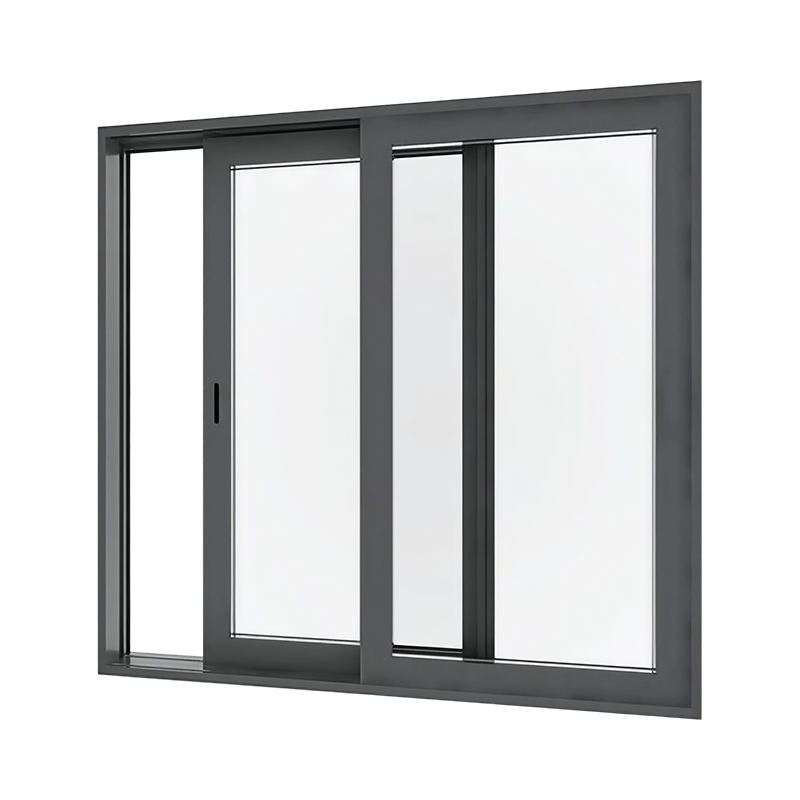
The adaptability of aluminum alloy fenestration extends beyond structural performance into spatial optimization and occupant comfort. Modern systems support multiple opening configurations, including horizontal sliding, outward casement, inward tilt-and-turn, and fixed picture panels. This flexibility allows designers to balance natural ventilation, daylight harvesting, and unobstructed viewing angles according to site orientation and usage patterns. Sliding configurations maximize usable interior space by eliminating swing clearances, making them ideal for compact balconies and narrow corridors. Tilt-and-turn mechanisms provide micro-ventilation for humidity control while maintaining security during adverse weather, as the sash remains partially engaged within the frame. The narrow profile dimensions characteristic of contemporary aluminum systems increase the glass-to-frame ratio, enhancing solar gain management and creating expansive visual connections to exterior landscapes. Acoustic performance is equally prioritized, with multi-chamber profiles and laminated glass assemblies achieving sound reduction ratings of up to 45dB, effectively isolating indoor environments from urban traffic and industrial noise.
Sound insulation in high-traffic or mixed-use developments requires meticulous attention to sealing continuity and mass distribution. Aluminum alloy windows utilize EPDM (ethylene propylene diene monomer) or silicone weatherstripping that maintains elasticity across extreme temperature fluctuations, preventing hardening or cracking over time. The multi-point sealing architecture creates overlapping barriers that disrupt airborne sound waves, while asymmetric glass thickness combinations within double-glazed units prevent resonant frequency amplification. For projects near airports, highways, or commercial corridors, acoustic optimization becomes a primary selection criterion alongside thermal performance. The integration of continuous drainage gaskets and concealed ventilation channels ensures that pressure differentials do not compromise the acoustic seal during wind events. Additionally, condensation management is addressed through thermal break positioning and interior sash drainage, preventing moisture accumulation on internal surfaces. This comprehensive environmental control strategy maintains consistent indoor humidity levels, protects interior finishes, and reduces maintenance frequency across the building lifecycle.
Selecting the appropriate window system requires aligning technical specifications with project requirements, climate conditions, and budget parameters. Buyers should prioritize manufacturers that provide independent laboratory test reports verifying thermal performance, structural load capacity, and water infiltration resistance. Verification of compliance with regional building codes, wind zone classifications, and fire safety standards is essential before procurement. Installation methodology significantly influences final performance, requiring precise leveling, continuous structural anchoring, and professional sealing around the perimeter interface. Once commissioned, aluminum alloy windows demand minimal upkeep compared to alternative materials, but adherence to routine maintenance protocols extends service life beyond three decades. Periodic inspection of hardware tension, lubrication of moving components, and cleaning of drainage channels prevent operational degradation. The following table outlines key performance benchmarks and maintenance intervals for informed decision-making.
| Performance Metric | Specification Standard | Maintenance Interval |
| Thermal Transmittance (U-Value) | ≤1.6 W/(m²·K) with PA66 break | Annual seal inspection |
| Wind Pressure Resistance | ≥5000 Pa (Level 9 National) | Post-storm hardware check |
| Fire Resistance Rating | 1.5 hours intumescent compatibility | Biannual gasket assessment |
| Acoustic Insulation | Up to 45dB reduction | Quarterly drainage clearance |
Long-term operational success depends on proactive care and environmental adaptation. Cleaning frames with pH-neutral solutions prevents finish degradation, while silicone-based lubricants applied to rollers and hinges maintain smooth articulation. Drainage weep holes should remain unobstructed to prevent water retention that could compromise interior seals. When replacing components, only manufacturer-approved hardware ensures continued compliance with impact and fire certifications. Investing in premium aluminum alloy windows and hurricane-resistant configurations delivers measurable returns through reduced energy consumption, lower insurance premiums, and extended replacement cycles. By prioritizing verified performance data, professional installation, and structured maintenance, property developers and facility managers secure resilient, sustainable, and high-performing building envelopes tailored for modern climate challenges.