

 English
 中文简体
中文简体Aluminum Windows: The Ultimate Guide to Alloy and Hurricane-Resistant Options
Introduction Aluminum windows have become one of the most popular choices in modern construction, offering a balance of strength, style, and practical...
Read MoreMulti-sliding glass doors are priced on a completely different scale from a standard two-panel patio door. A typical sliding glass door replacement runs from $1,051 to $3,414 installed, with a national average around $2,227. But when you specify a multi-panel system that stacks, folds, or telescopes to open an entire wall, the economics change fundamentally: quality aluminum systems typically start at $1,500 per lineal foot for an eight-foot-high opening, and large impact-rated installations can reach $30,000 or more. The spread is wide because this product category is driven by engineering, not by glass area alone.
Content
Before comparing quotes, you need to understand the three variables that set the price: opening width, operating configuration, and the grade of the system itself. Change any one of them, and the total moves by thousands of dollars.
Multi-slide pricing is quoted per lineal foot, not per panel. For standard eight-foot-high doors, $1,500 per lineal foot is the realistic entry point for a durable aluminum system with quality hardware. A four-panel door covering a 16-foot opening therefore starts near $24,000 before installation. Smaller three-panel configurations around 12 feet wide typically land between $8,000 and $15,000 depending on glass and finish. Quotes significantly below these figures usually mean lighter profiles, weaker hardware, or basic double glazing that will struggle to carry and seal large moving panels.
The way panels move changes the mechanical complexity, and therefore the cost:
For the same opening width, a telescoping system can cost 30 to 50 percent more than a basic stacking slider. Decide first how often and how wide you actually need the opening to be, because that choice affects your total more than any finish upgrade.
The frame is the cost anchor of any multi-slide door. Vinyl is the least expensive but struggles to carry the tall, wide panels these systems demand. Wood offers warmth and a premium look but requires ongoing maintenance. Fiberglass sits in the middle. For multi-slide doors, aluminum dominates for a practical reason: it supports large glass panels without excessive deflection, resists corrosion, and can be engineered with a thermal break to control heat transfer.
The alloy and the surface treatment matter as much as the profile design. Corrosion-resistant aluminum alloy sliding doors, for example, use coated surfaces engineered to withstand salt air and high humidity, a common requirement for large openings facing patios, pools, and coastal sites. The surface finish directly determines how long the doors keep their appearance, which is why inexpensive aluminum systems show visible wear within a few years.
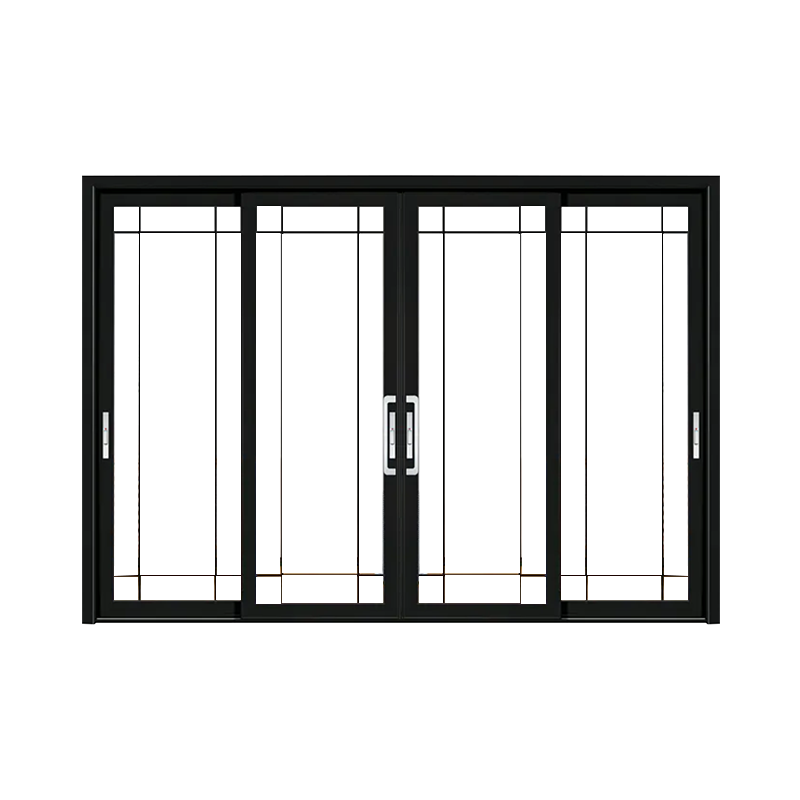 Custom Corrosion-resistant Aluminum Alloy Sliding Doors Suppliers, Company - AnhAnhui Yicheng is China Corrosion-resistant Aluminum Alloy Sliding Doors Suppliers and Company, Custom Corrosion-resistant Aluminum Alloy ...View Product →
For a step-by-step comparison of frame options and project conditions, the guide on how to choose the right aluminum sliding door for your project covers the practical points to check before you specify.
Once the frame is fixed, glazing is the next lever. A basic double-glazed unit is included in most base prices, but almost every serious project upgrades. Low-emissivity (low-E) coatings and argon gas fill reduce winter heat loss and summer heat gain; laminated glass adds security and sound control; tempered glass is required by code in most sliding door applications. Impact-rated glazing, common in hurricane zones, carries the largest premium and can push a large installation toward the top of the price range.
The energy-efficiency trade-off deserves a closer look. Upgrade packages typically add $500 to $2,000 per opening, but on a wall of glass facing west or south you recover that cost through lower HVAC loads, especially when the frame itself uses thermal-break construction. The same thermal and acoustic engineering found in energy-efficient aluminum sliding windows applies to door systems, so the frame and the glass package need to be evaluated together.
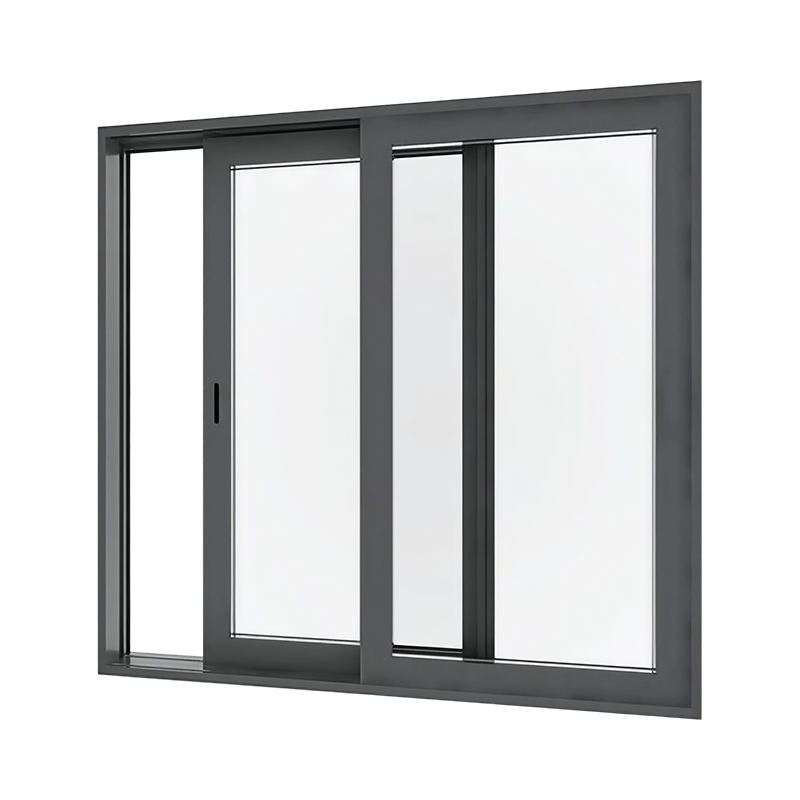 Custom Energy-efficient Aluminum Alloy Sliding Windows Suppliers, Company - AnhuAnhui Yicheng is China Energy-efficient Aluminum Alloy Sliding Windows Suppliers and Company, Custom Energy-efficient Aluminum Alloy Slid...View Product →
For most climates, yes. On a 12-foot opening, the difference between basic double glazing and a full low-E, argon-filled, tempered package is usually $1,500 to $3,000. Against that, weigh the annual heating and cooling savings and the improvement in comfort near the glass. For projects with noise exposure or security requirements, laminated glass is often worth its premium even if the thermal savings alone would not justify it.
The thermal break is not optional in most climates. Thermally broken aluminum profiles, such as 6063-T5 and 6061-T6 alloys, act as a barrier between the interior and exterior faces of the frame, reducing condensation and improving the overall U-value of the assembly. And the thermal break aluminum alloy profile you choose directly influences the energy performance you can claim for the finished door.
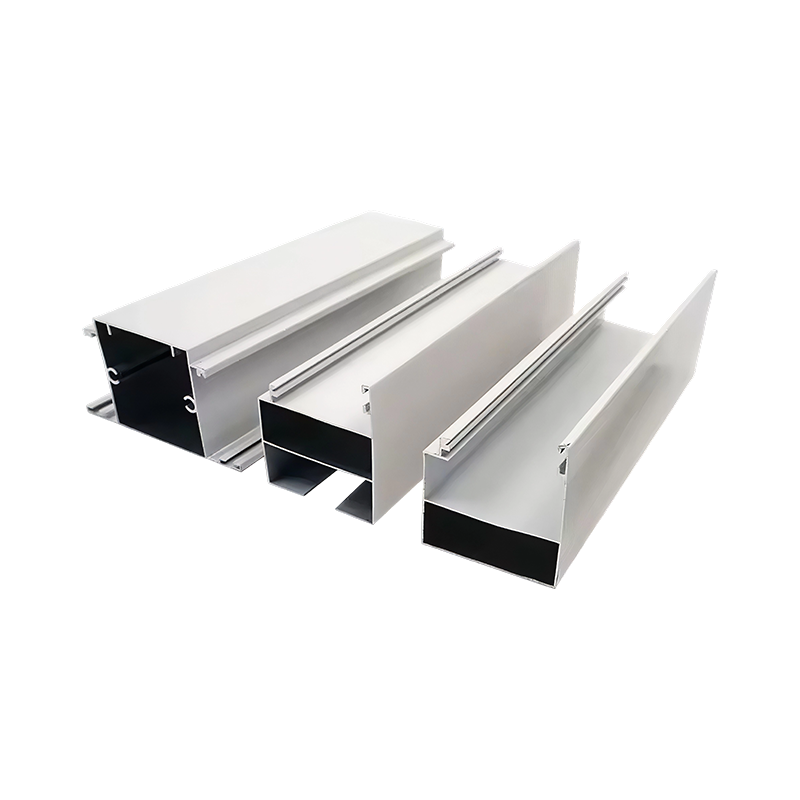 Custom 6063-T5/6061-T6 Thermal Break Aluminum Alloy Profile Suppliers, Company -Anhui Yicheng is China 6063-T5/6061-T6 Thermal Break Aluminum Alloy Profile Suppliers and Company, Custom 6063-T5/6061-T6 Thermal Break A...View Product →
The biggest budgeting mistake is comparing door prices alone. Multi-slide doors carry extremely heavy panels: a single 10-foot-wide insulated glass panel can weigh 300 to 400 pounds. That demands commercial-grade hardware, including multi-point locking systems, stainless steel rollers, reinforced sills, and continuous head tracks. These components are not upgrades; they determine whether the door operates smoothly for decades or starts sagging after a few seasons.
Structural preparation is the other overlooked line item. A multi-panel installation usually requires a steel-reinforced header to carry the loads above the opening, and the sill must be detailed to drain water and manage thermal expansion. In retrofit projects, removing an existing wall section, reframing, and making good the interior finishes can cost as much as the door itself. Budget for structural engineering and inspection before you commit to a product.
If the goal is an indoor-outdoor space, the configuration and the structural design are closely linked. For wider openings, the consequences are significant, and understanding how aluminum folding doors contribute to indoor-outdoor living spaces can help you anticipate the framing work involved.
Professional installation of a standard two-panel sliding glass door typically runs $400 to $1,500, depending on removal of the old door and framing modifications. For multi-slide systems the labor scale is different. Homeowner project reports include quotes of $7,000 for removal and installation of a single sliding glass door once structural and finish work are included, and multi-panel jobs are more demanding. Count on labor representing 15 to 25 percent of the total project cost once hoisting equipment, crew size, and connection details are added.
The DIY route is rarely sensible for multi-slide doors. The panels require precise alignment during installation, and the weather seal, the most common source of complaints, depends entirely on install quality. An error can void the warranty and cause water intrusion that damages interior finishes. If you must reduce cost, do the demolition and site preparation yourself, and leave the door setting and sealing to professionals.
The table below summarizes typical installed cost ranges for aluminum multi-slide systems. Treat these as planning figures, not quotes: local labor rates, glazing choices, and opening dimensions can change the totals substantially.
| Configuration | Opening width | Installed cost range |
|---|---|---|
| Standard 2-panel slider | 6-8 ft | $1,100 - $3,400 |
| 3-panel stacking slider | 10-12 ft | $6,000 - $12,000 |
| 4-panel stack or fold | 14-16 ft | $10,000 - $22,000 |
| Telescoping or impact-rated | 18-24 ft | $25,000 - $40,000+ |
Of the factors listed, panel count and glazing specification are the two you control most directly. Track hardware, structural reinforcement, and installation quality should be treated as fixed engineering cost, because cutting them means cutting performance.
To avoid both sticker shock and hidden extras, request quotes on a complete scope rather than on a per-door basis. A serious supplier will ask for the rough opening width and height, number of panels, glass specification, and whether the project is new construction or a retrofit. Once the aluminum profile is selected, confirm the finish, hardware grade, and warranty in writing. The same reasons that make aluminum sliding doors a stylish, durable, and functional solution for modern buildings apply here with extra force, because multi-slide panels are larger and the tolerances are tighter.
As a manufacturer of aluminum and UPVC door systems, we control the production chain from profile extrusion to machining, surface finishing, and assembly, which allows us to price multi-slide projects against an accurate bill of materials. Send the opening dimensions and glazing requirements, and you will receive a line-item quotation you can review before deciding. The investment is substantial, but a properly engineered multi-slide door will last decades and change how the space is used, and that is the return you are actually paying for.


