

 English
 中文简体
中文简体Aluminum Windows: The Ultimate Guide to Alloy and Hurricane-Resistant Options
Introduction Aluminum windows have become one of the most popular choices in modern construction, offering a balance of strength, style, and practical...
Read MoreContent
UPVC French Doors are designed as double-door systems that open from the center, providing wide access and increased natural light. The frame is manufactured from unplasticized polyvinyl chloride profiles reinforced internally with galvanized steel or aluminum inserts. This reinforcement ensures structural rigidity while maintaining the low-maintenance properties associated with UPVC materials.
Multi-chamber profile construction enhances thermal insulation and improves load distribution. The chambered design reduces heat transfer while maintaining frame stability. High-quality corner welding techniques contribute to airtight sealing and long-term durability. Proper structural engineering allows UPVC French Doors to withstand wind pressure and daily operational stress without warping.
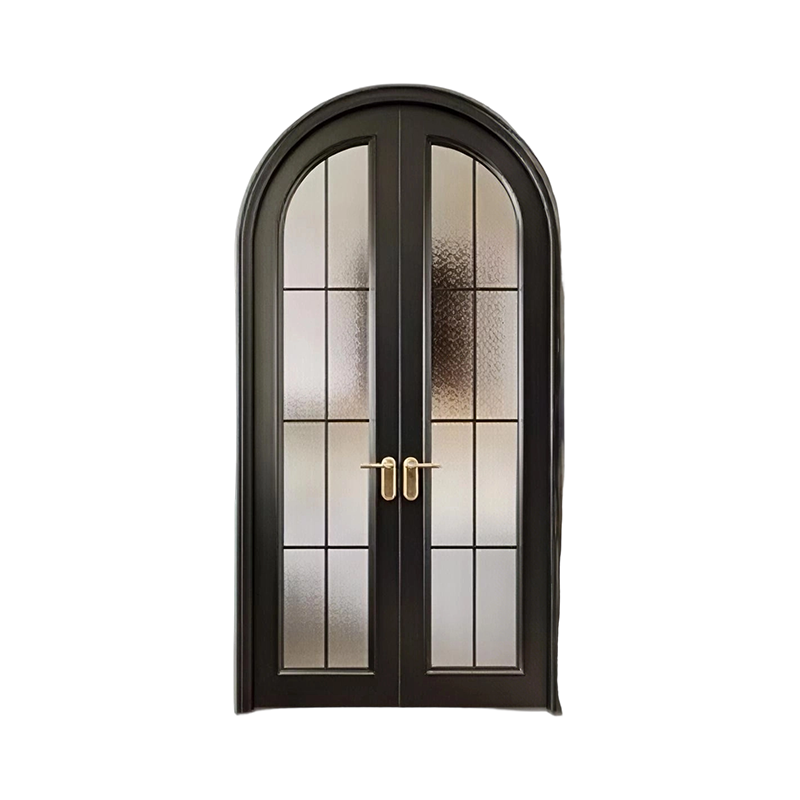
The glazing system plays a central role in the performance of UPVC French Doors. Double glazing is standard in most residential installations, while triple glazing may be selected for colder climates or projects requiring higher energy efficiency. The air or gas-filled cavity between panes reduces thermal transmission and enhances acoustic insulation.
Low-emissivity glass coatings further improve thermal efficiency by reflecting indoor heat back into the room. Spacer bars positioned between glass panes minimize condensation risk and maintain structural stability. The combination of insulated glazing units and multi-chamber frames allows UPVC French Doors to achieve strong energy performance ratings in modern building applications.
| Glazing Type | Thermal Efficiency | Noise Reduction | Application Scenario |
| Double Glazed | High | Moderate | Standard residential use |
| Triple Glazed | Very High | High | Energy-efficient buildings |
| Low-E Coated | Enhanced | Moderate | Cold climate regions |
UPVC French Doors incorporate multi-point locking systems that secure the door leaf at several positions along the frame. This design improves resistance against forced entry compared to single-lock mechanisms. High-security cylinders and reinforced strike plates add further protection.
Toughened or laminated safety glass enhances impact resistance and reduces the risk of shattering. Internal glazing beads prevent external removal of glass panels. When installed correctly, these security components work together to provide a robust barrier while maintaining ease of operation.
Effective weather sealing is critical for maintaining interior comfort. UPVC French Doors are equipped with multi-layer rubber gaskets that prevent air infiltration and water penetration. Compression seals around the perimeter ensure tight closure when the doors are locked.
Drainage channels within the frame profile manage rainwater and prevent accumulation. In coastal or humid environments, UPVC material resists corrosion and requires minimal surface treatment. This durability supports long-term performance in varied climate conditions.
Accurate measurement and alignment are essential for optimal performance of UPVC French Doors. The opening must be level and square to avoid stress on hinges and locking systems. Installation typically involves mechanical anchoring to the structural wall, followed by sealing gaps with expanding foam and external sealant.
Proper adjustment of hinges ensures balanced door movement and consistent sealing pressure. After installation, operational testing verifies smooth opening, secure locking, and even contact between gaskets and frame surfaces. Precision during installation directly influences thermal efficiency and security reliability.
UPVC French Doors require minimal maintenance compared to timber alternatives. Regular cleaning with mild detergent maintains surface appearance. Lubricating hinges and locking mechanisms preserves smooth operation. Periodic inspection of seals prevents air leakage and maintains energy performance.
The material resists fading, peeling, and corrosion under normal exposure conditions. With correct installation and routine care, UPVC French Doors provide stable structural performance and consistent aesthetic quality over extended service life.
UPVC French Doors are commonly used as patio doors, garden access points, balcony entries, and interior partition doors. Their symmetrical opening design allows full-width access, making them suitable for connecting indoor and outdoor spaces. In commercial settings, they are applied in office partitions, hospitality venues, and educational facilities where natural light and accessibility are priorities.
Selecting the appropriate glazing type, frame thickness, and security configuration ensures that UPVC French Doors meet project-specific requirements. Proper specification aligns structural strength, energy efficiency, and aesthetic design within modern architectural standards.


